If you've ever had a customer message you three weeks after installation asking why their "blackout" roller shade still lets in a strip of morning light, you already know the problem this article is about. It's one of the most common complaints in the roller shade category, and in almost every case, the fabric isn't the issue. The gap is in the installation system, not the material.
We run a 16-person quality control team with 100% finished-goods inspection before anything leaves the factory, and light-leak complaints are one of the categories we track closely. What we've found, year after year, is that the word "blackout" gets used loosely across the industry — often to describe a fabric spec, not a finished installation. Those are two very different promises, and the difference is exactly where returns and one-star reviews come from.
What does "blackout" actually mean for a roller shade?
In the roller shade industry, light control is generally split into four performance tiers based on how much light actually passes through the finished installation, not just the fabric swatch. A shade correctly labeled "blackout" should let through less than 0.1% of ambient light — dark enough that you genuinely cannot see your hand in front of your face.
| Tier | Light Transmission | Real-World Effect | What It Requires |
|---|---|---|---|
| Blackout | < 0.1% | Cannot see your hand in front of your face | Blackout fabric + cassette housing + side channels |
| Room Darkening | 1–5% | Shapes visible, no fine detail | Blackout fabric + standard mounting |
| Light Filtering | 5–20% | Soft, diffused light, privacy maintained | Semi-sheer fabric |
| Sheer | 20–60% | Daytime privacy, no coverage at night | Sheer/voile fabric |
Most of the products sold on the market as "blackout" are actually delivering Room Darkening performance. That's not necessarily dishonest — the fabric genuinely can be blackout-grade — but the finished installation doesn't meet the same standard, and buyers rarely know to ask the difference.
Why do blackout-labeled shades still let light in?
This is the part that surprises most first-time buyers: the fabric itself can be rated at 99.9% opacity and the finished shade can still leak visible light. The fabric was never the weak point. The gap is mechanical, not textile.
When a roller shade is mounted without a side channel system, there is unavoidably a small clearance between the edge of the fabric and the window frame — typically 3–8mm on each side. On a small window this is barely noticeable. On a larger window, it adds up fast.
Take a standard 2,400mm × 2,400mm window. Two open edges at 3–8mm each, across the full drop of the shade, works out to roughly 38cm² of effective light-leak area — and in a genuinely dark room, that's a very visible pair of light seams down both sides of the window, not a minor imperfection.
This is also why the complaint almost never shows up on the sales floor or during a daytime showroom demo. It shows up at 6am, in a bedroom, when someone actually needs the room dark.
What does a true blackout setup actually require?
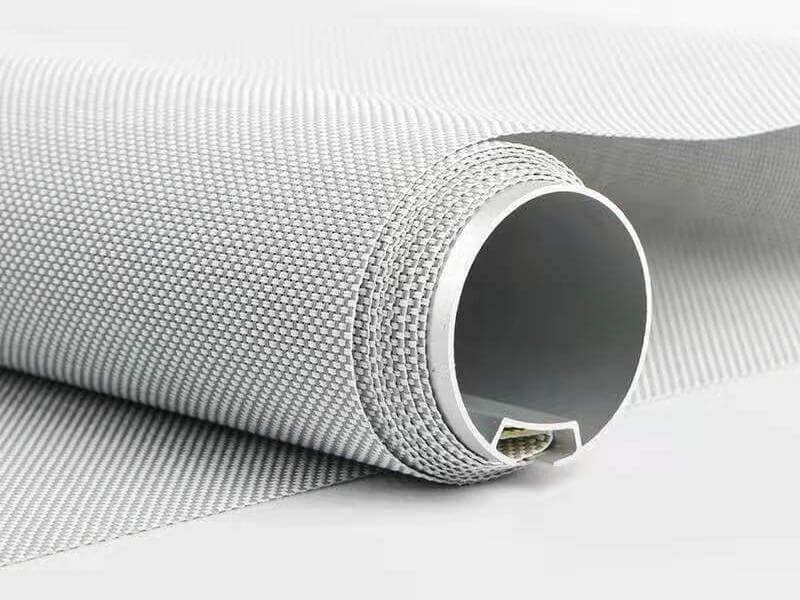
A real blackout installation is a system, not a single component. It requires three things together:
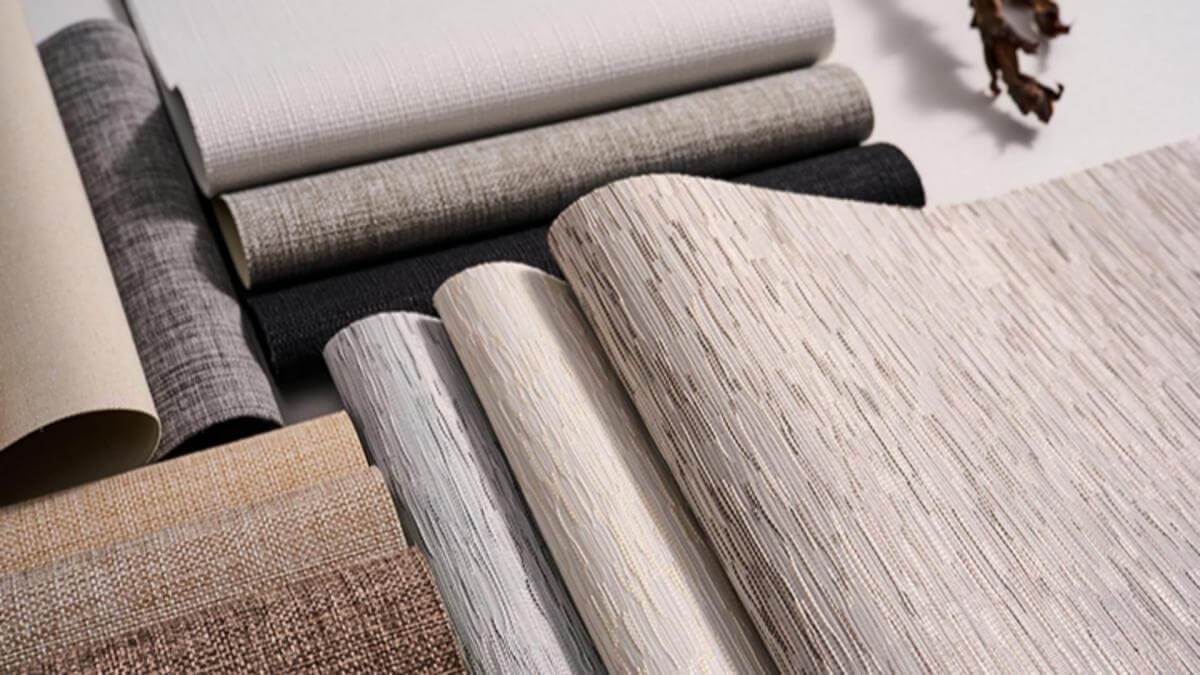
- Blackout-rated fabric — the base layer that blocks light through the material itself
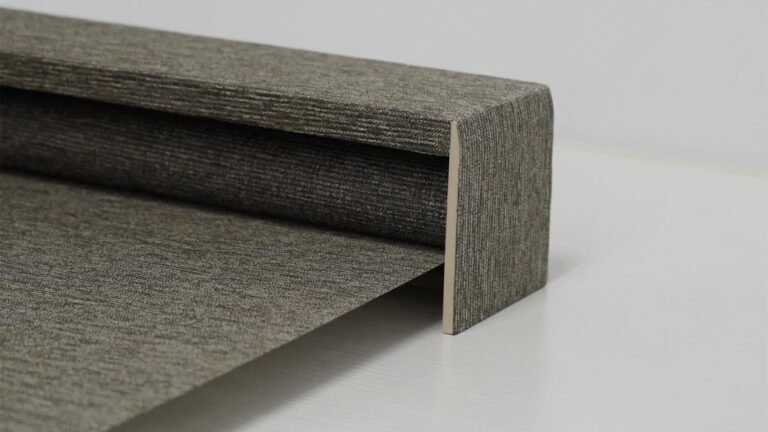
- Cassette housing — a closed cover over the roller tube that eliminates the light gap at the top of the shade
- Side channels — tracks that close off the 3–8mm gaps on both sides
Drop any one of these three, and you no longer have a blackout shade — you have a Room Darkening shade with a blackout fabric inside it. That distinction matters most in bedrooms, media rooms, and hospitality projects where clients are explicitly buying for total darkness, not just dim light.
We quote these three components as separate line items rather than bundling them, specifically so a buyer can see what they're getting and what they're leaving out. We've seen the alternative approach too many times: skip the side channels to hit a lower price point, tell yourself you'll add them later if the customer complains. It rarely works out that way. By the time the complaint comes in, the shade is already installed, the customer is already frustrated, and the fix now costs a service call instead of a five-minute decision at quoting stage.
How do we verify blackout performance before a shade ships?
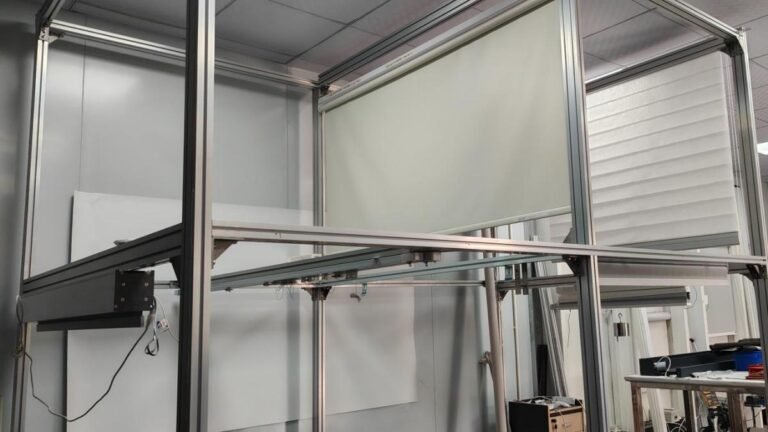
This isn't a claim we make and leave unverified. Every blackout-rated product goes through a specific test at final inspection, one of the four checkpoints our finished-goods QC team runs on 100% of output.
The test itself: the shade is checked inside a dark box under a 100 lux light source, and a blackout-rated product must allow no more than 0.5 lux of light to pass through. That's the bar a shade has to clear to leave the factory labeled blackout — not just "looks pretty dark," but a measured threshold.
Looking back across our return and complaint data, light-leak issues are consistently one of the categories we track closely — and in nearly every case, the root cause traces back to the installation configuration, not the fabric. No side channels, or a gap between the shade and the window frame that was never addressed at the specification stage. The fabric passes inspection consistently. It's the system around it that didn't get built correctly.
That distinction is worth repeating to your own customers when you're fielding a light-leak complaint: it's very rarely a manufacturing defect, and very often a spec that was quietly simplified somewhere between the quote and the install.
Do you always need the full three-piece system?
No — and this is worth being upfront about. Not every shade needs to hit the 0.1% blackout threshold. A living room, home office, or hallway is usually well served by Room Darkening performance, which only needs blackout fabric and a standard mount, without the added cost of a cassette and side channels.
The problem isn't Room Darkening shades. The problem is Room Darkening shades sold under the word "blackout" without the buyer knowing there's a difference. If your customer just wants privacy and glare control, Room Darkening is often the right — and more cost-effective — choice. If they're telling you they need a nursery, bedroom, or screening room completely dark, that's the moment to walk them through the full three-piece configuration and quote it as such, rather than letting "blackout" do double duty as a marketing word for two different products.
Getting this right at the quoting stage is a five-minute conversation. Getting it wrong is a return, a re-install, or a customer who assumes the whole product line is unreliable when really it was one missing component.
Quoting a blackout project? Get the three-piece breakdown before you promise your customer total darkness. Request a blackout configuration quote — fabric, cassette, and side channels priced and specified separately, so you know exactly what you're selling before the order goes out.
Frequently Asked Questions
What's the actual difference between blackout and room darkening roller shades? Blackout blocks over 99.9% of light and requires blackout fabric plus a cassette housing and side channels installed together. Room darkening uses the same type of fabric but with a standard mount, letting through roughly 1–5% of light — enough to see shapes, not enough to read by.
Can I add side channels to an existing roller shade later? In most cases yes, side channels can be retrofitted, but it's a service call and re-measurement rather than a five-minute adjustment. Specifying them at the quoting stage is faster and cheaper than adding them after installation.
Why does my "blackout" shade still show a strip of light along the edges? This is almost always a side-gap issue, not a fabric defect. Without side channels, there's typically a 3–8mm clearance on each side of the shade where light can pass through, even when the fabric itself blocks over 99% of light.
Does every room need the full blackout system? No. Living rooms, offices, and hallways are usually well served by room darkening performance alone. Full blackout configuration is worth the added cost mainly for bedrooms, nurseries, and media or screening rooms where total darkness matters.
How is blackout performance actually verified before a shade ships? Finished blackout-rated shades are tested in a dark box under a 100 lux light source and must allow no more than 0.5 lux to pass through to pass inspection — a measured threshold, not a visual estimate.