
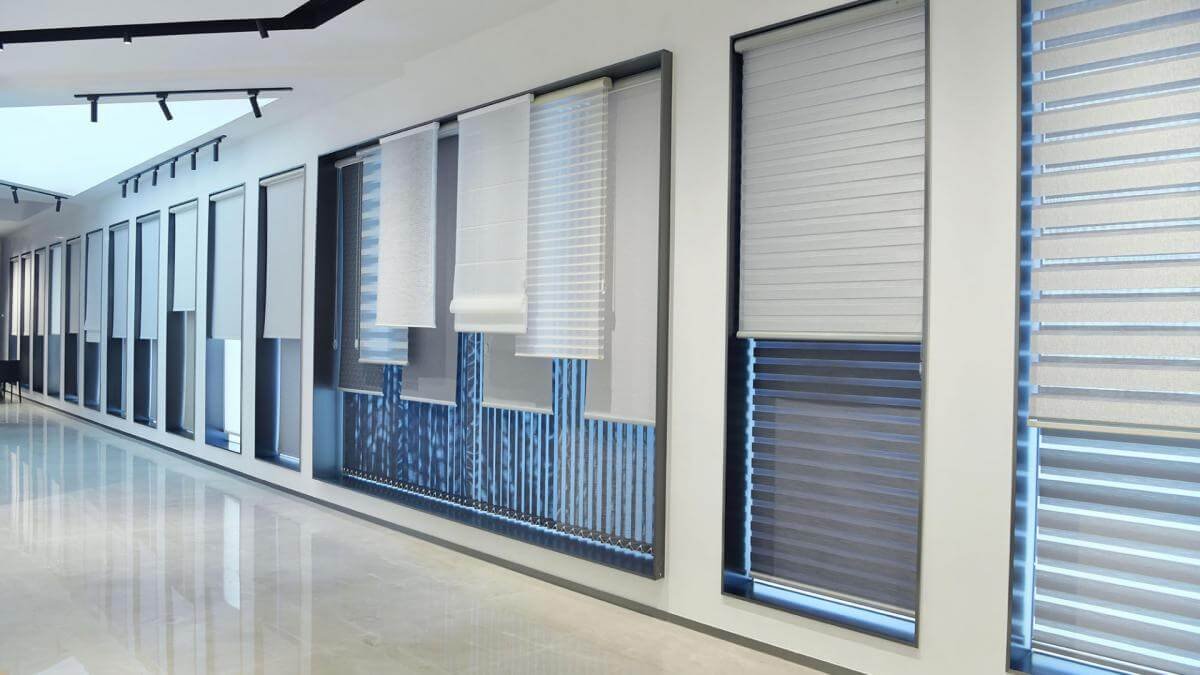
Full article
At Shadesmart, we recommend evaluating two independent units when a proposed single zebra shade is wider than 2,800 mm. A wide shade can look aligned at handover and show visible stripe drift after repeated use. When comparing zebra blinds manufacturers, ask how they evaluate that risk before production.
Our 16-person quality control team checks products during manufacturing. For wide zebra shades, one of the most consequential decisions comes before those checks. The opening dimensions, the width of each proposed unit, and the appearance the buyer expects all need to be clear before we can recommend a layout.
Why do we recommend splitting zebra shades wider than 2,800 mm?
We recommend splitting an extra-wide zebra shade because small differences in fabric tension and movement can show up along the horizontal bands. Above 2,800 mm, we recommend evaluating two independent shades side by side. We turn down some single-shade orders when the proposed configuration cannot deliver the appearance the project requires.
Start by identifying what the width on the drawing measures. The clear opening width describes the space to be covered. The finished shade width describes the complete unit, and the fabric width describes the cloth itself. Label each dimension so the buyer, installer, and factory review the same configuration. A request to cover a wide opening could lead to several layouts, depending on where the brackets can sit and where a division would fall.
The design intent matters just as much. In a row of meeting rooms, the horizontal lines may be part of what makes the elevations look consistent. A small change in how one shade closes can be easier to see when the neighboring shades are set the same way. On an isolated window, people may see the shade from a different distance or against a different background. Tell us where the shade will be viewed and which setting matters most.
The 2,800 mm threshold is our internal engineering recommendation for single zebra shades. Once a proposed unit crosses it, we review the layout with the buyer. A vertical window-frame member can give us a place to divide the opening. If the project calls for one uninterrupted span, we discuss whether a roller shade can meet the underlying light-control requirement. That conversation belongs before the buyer signs off on the window treatment schedule.
Why can zebra shade stripes drift after installation?
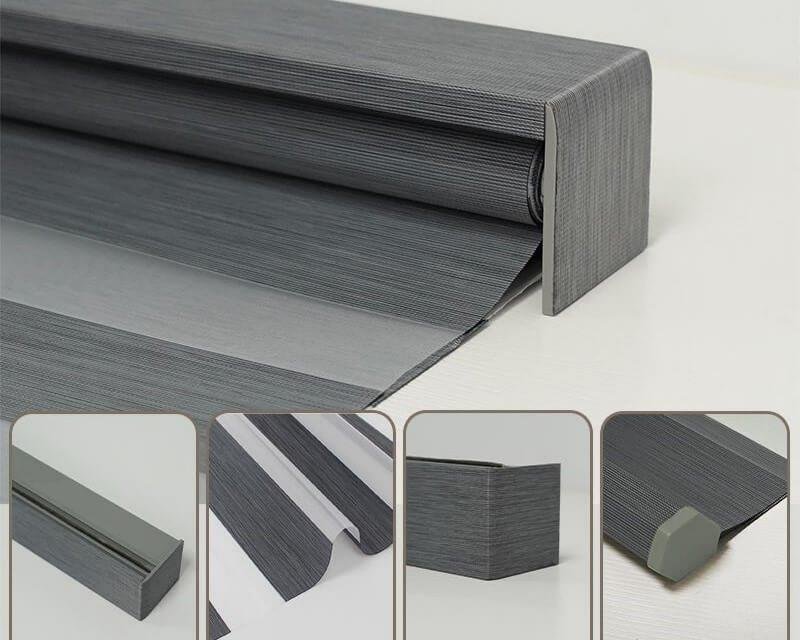
A zebra shade controls light by changing how the sheer and opaque bands overlap across its two fabric layers. Over a wide span, slight differences in fabric tension can make the bands harder to align from one end to the other. Small shifts during everyday operation can make that unevenness easier to see over time.
When the sheer areas of the two layers overlap, more light passes through. As the opaque bands cover those sheer areas, the shade cuts down the light. If the fabric bands overlap1 evenly at one end and leave a narrow bright line at the other, daylight behind the fabric can make the difference visible. The zebra shade product page shows the two-layer construction.
Some alignment variation starts during weaving. The fabric feeds through the loom under tension, and small differences between the two sides can become more apparent across a wider piece. The fabric can also shift slightly as the shade rolls and unrolls during ordinary operation. With repeated use, the buyer may see an uneven line where the shade previously appeared aligned.
For a sample review, agree on a position that matters to the project. If the shade will spend much of the day in its more closed setting, inspect it there with light behind it. Look across the whole width, including both ends and the middle. Then operate the shade and return it to that setting. Check whether the bands return to the expected position and whether any bright line is visible from the agreed viewing distance.
A sample review records how that configuration looks and operates under the conditions you checked. If the project has an appearance requirement after repeated use, put it in the specification. Agree with the supplier on how to evaluate it and what degree of variation is acceptable. That gives the purchasing, installation, and quality teams the same reference.
When should you specify two zebra shades side by side?
Specify two independent zebra shades when the opening is wide, adjustable banded light control matters, and the elevation can accommodate a vertical break. An existing mullion often gives you a place to put that break. Approve the center detail and the appearance of the adjacent bands before releasing the order.
| Layout | When to consider it | What to confirm before ordering |
|---|---|---|
| Single zebra shade across a wide opening | The design calls for continuous horizontal bands across the opening. | Finished shade width and drop, feasibility of the specific configuration, and acceptable band alignment in the closed position. |
| Two independent zebra shades side by side | The project needs zebra-style light adjustment and can accommodate a visible division. | Width of each finished unit, bracket positions, center clearance, and how the shades should look at an agreed setting. |
| Single-panel roller shade | The design prioritizes an uninterrupted fabric surface. | Available width and drop for the selected fabric and hardware, required opacity, and acceptable light gaps. |
Where the glazing already has a vertical mullion, show its position on the drawing. Then ask where the two fabric edges will actually land. The space between them depends on the selected hardware and mounting detail. A division that sits over the mullion may be less conspicuous than one over clear glass. If there’s no mullion, review how the gap looks with light behind it.
Two independent shades also give occupants the option to set each side separately. That can work well when glare affects one side of an opening more than the other. If the design calls for a coordinated appearance, review the two shades together in the setting that matters to the project. Agree on how closely the adjacent bands should line up at that position. In normal use, occupants may leave the shades at different heights or band settings.
A roller shade is worth evaluating when a continuous surface is the priority. The project gets one fabric panel and gives up adjustment through alternating bands. Ask the supplier to check roller shade size limits for the selected fabric and hardware2 using both the proposed width and drop. The roller shade tube sizing guide covers which information to submit. A project that needs daytime glare reduction may call for a different fabric and installation detail from one that needs substantial room darkening.
What should you ask zebra blinds manufacturers before approving a wide shade?
Ask the manufacturer to review the finished width and drop, the selected fabric, and the appearance you expect when the shade is closed. For a split layout, ask for the dimensions of both units and the proposed center gap. Record those details on the drawing or specification used for sample approval.
A useful request starts with the opening schedule and an elevation. Mark the widest openings, the mullions, and the surfaces available for mounting. Show where the design permits a vertical break. If the architect has specified continuous fabric across an opening, flag that requirement at the start of the review.
Include the following details in the request.
- Opening and shade dimensions. Give the clear opening width and height. Label any finished shade dimensions separately and identify which openings repeat across the project.
- Layout and mounting. Show the proposed bracket locations, the position of any mullions, and where a center gap can sit. Ask the supplier to show the fabric edges in the proposed layout.
- Light control and appearance. Describe the setting that matters most, such as filtered daylight at desks or the appearance of the bands when the shades are closed. Agree on a viewing position for the sample review.
- Sample acceptance. Confirm whether the sample represents the widest configuration you intend to buy. Agree on what to inspect after operating it and who will approve any change to the layout.
For a project with several opening sizes, identify the widest unit on the schedule before ordering a sample. A sample for a narrower opening can confirm the color, fabric, and general operation. To evaluate stripe alignment on an extra-wide unit, agree on how the supplier will review that specific configuration and what evidence the project team needs for approval. If the project moves to two shades, include the center junction and the appearance of the pair in that review.
When we recommend a split, show the change on the drawing the buyer signs off on. Mark each shade, the location of the center gap, and the position used to assess the stripe alignment. If a single span remains essential, carry that requirement into the roller shade evaluation so the supplier can check a specific fabric and hardware combination.
What else should buyers know about wide zebra shades?
Is 2,800 mm the maximum width for every zebra shade?
The figure is Shadesmart’s engineering recommendation for reviewing a proposed single shade. Ask the manufacturer to confirm how it measures the width and whether the proposed fabric and layout suit the appearance your project requires.
Can one wide window opening be covered by two zebra shades?
Yes. Two independent shades can be placed side by side where the opening and mounting surfaces allow it. Review the actual fabric edges on the drawing and approve the center gap, especially if it falls in front of clear glass.
Will the stripes on two separate zebra shades line up?
Review the pair at a specific height and band setting. Agree on the appearance at that position. Each shade can be adjusted independently, so their bands may sit at different heights during normal use.
What if the project calls for one uninterrupted panel?
Ask for a roller shade review using the actual width, drop, and light-control requirement. A single-panel roller shade offers a continuous fabric surface when an appropriate fabric and hardware combination can support the dimensions.
Send your opening schedule and a drawing of the widest opening for project review. Mark the mullions and any openings that require an uninterrupted panel so we can discuss where a split zebra layout fits and where a roller shade may suit the project.
Ready to Source Direct?
Ready to Talk About Your Project?
Send us your product specifications, target market, and estimated volume. Our export team responds within 1 business day.