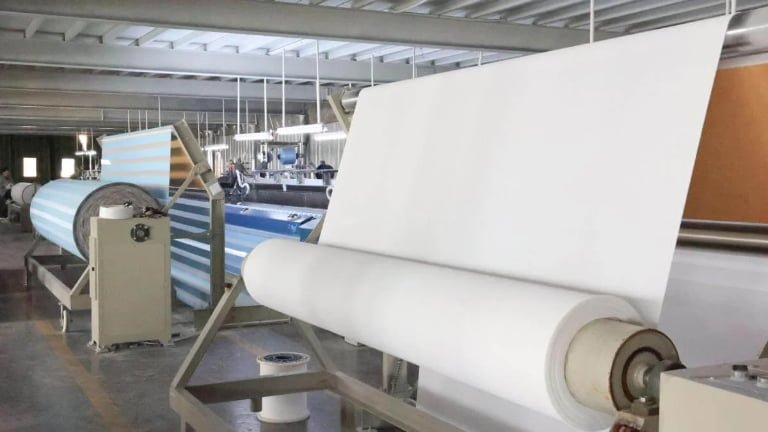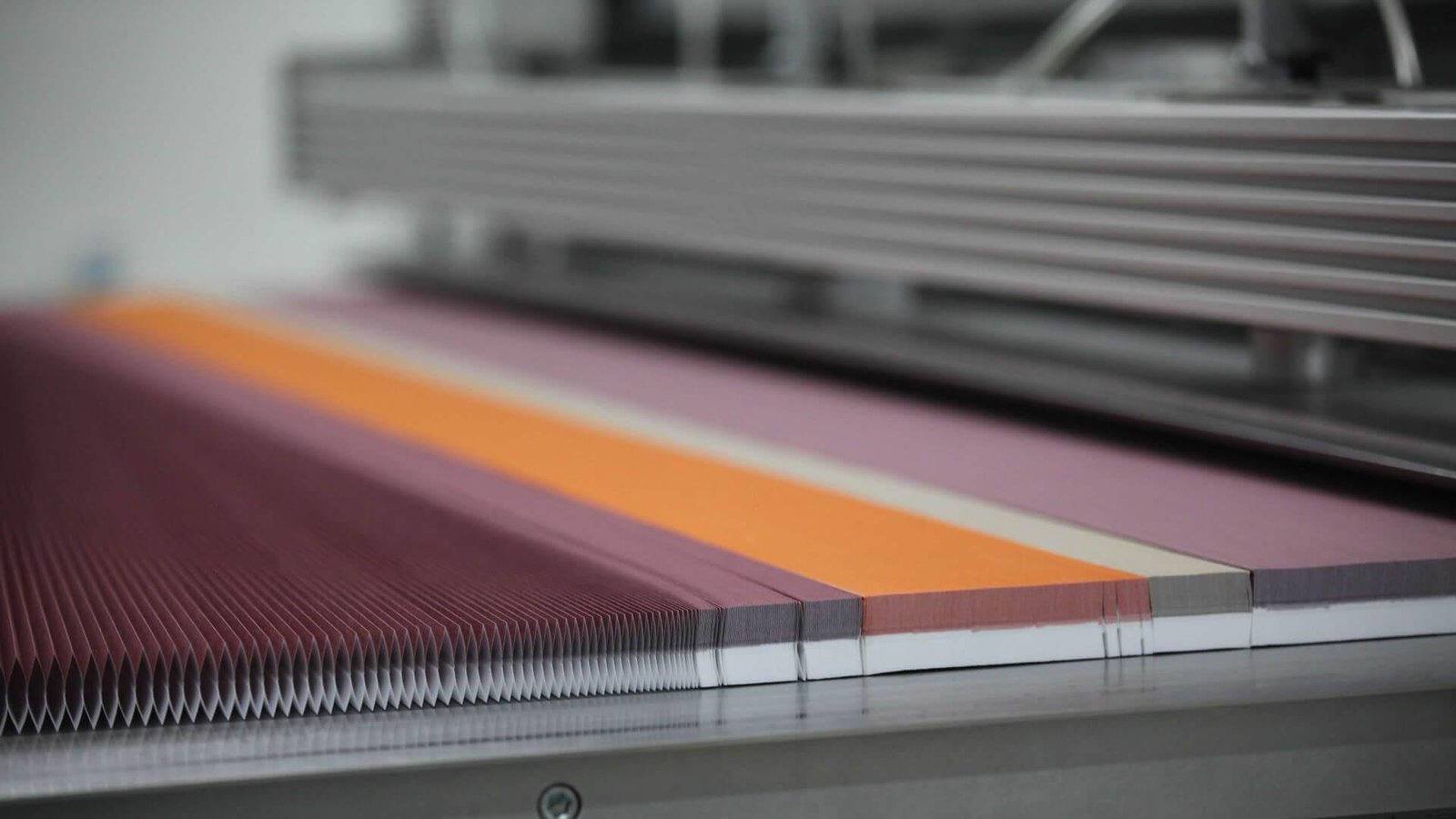
If you've been sourcing cellular shades — also called honeycomb shades — you've probably seen the same claim on every spec sheet: "excellent insulation." Almost nobody shows you the actual number, broken down by cell structure, or tells you when that number stops mattering.
I've spent close to twenty years on the production floor of a window covering factory, and this is one of the most misunderstood specs in the entire category. Here's what the R-value actually looks like once you break it down by cell depth — and the one situation where upgrading to a cellular shade barely moves the needle at all.
What R-Value Actually Measures in a Cellular Shade
R-value measures thermal resistance — how well a material slows down heat flow. The higher the number, the better it resists heat loss in winter and heat gain in summer. For cellular shades (sometimes called honeycomb blinds in casual use), that resistance comes from the honeycomb-shaped air pockets built into the fabric structure. More air pockets, more layers, deeper cells — generally, a higher R-value.
But "generally" is doing a lot of work in that sentence, because the actual number depends heavily on how many cell layers you're looking at and how deep those cells are.
R-Value by Cell Structure — The Numbers Most Quotes Leave Out
Here's the breakdown we use internally, based on our own production and testing data:
| Cell Structure | Cell Depth | R-Value (Imperial) | Thermal Resistance (m²·K/W) | What It's Actually Good For |
|---|---|---|---|---|
| Single cell | 9mm | 0.8–1.2 | 0.14–0.21 | Mainly light control, not insulation |
| Single cell | 25mm | 1.8–2.4 | 0.32–0.42 | Standard residential, modest energy benefit |
| Double cell | 25mm/25mm | 2.8–3.4 | 0.49–0.60 | Best value-to-performance ratio for insulation |
| Double cell | 38mm/38mm | 3.4–4.2 | 0.60–0.74 | Recommended for northern/cold climates |
| Triple cell | 38mm/38mm/38mm | 4.8–5.8 | 0.85–1.02 | Extreme cold climates, passive house projects |
Single Cell (9mm / 25mm)
The 9mm single-cell option is the one most often mistaken for an insulation product when it's really a light-control product first. If insulation is the actual goal, we'd steer a buyer toward the 25mm single-cell version at minimum.
Double Cell (25mm/25mm, 38mm/38mm)
This is where cellular shades start earning the "energy-saving" label in a meaningful way. The 25mm/25mm double cell is, in our experience, the sweet spot for cost versus performance in most residential and light commercial projects. The 38mm/38mm version steps up further for genuinely cold climates — the kind of winters you get across much of Canada.
Triple Cell (38mm×3)
This tier is a specialist product. About 80% of the orders we produce at this spec are for North American passive house projects — buyers who are optimizing for extreme thermal performance, not general comfort.
The Honest Limitation: When Adding a Cellular Shade Barely Moves the Needle
Here's the part most manufacturers won't put in writing: the R-value numbers above describe the shade fabric on its own — not the window system after installation. How much real-world benefit you get depends entirely on what's already covering that window.
Install a double-cell shade over a single-pane window (R-value roughly 0.9 on its own), and in our own production and field experience, the overall heat loss through that window system typically drops by somewhere around 40–50%. That's a real, measurable improvement — though it's a field estimate from our own projects rather than an independent lab-certified figure, and actual results will vary by installation and climate.
Install the same shade over a window that already has Low-E double glazing (which already carries a decent R-value on its own), and the marginal energy benefit from adding a cellular shade drops off sharply. You're stacking insulation on top of insulation that's already doing most of the job.
We'll say this plainly: if a customer's windows are already Low-E double-glazed and their only goal is energy savings, we're not going to oversell them on triple-cell fabric as the answer. That budget is often better spent elsewhere — sealing gaps, adding drapery, or simply choosing cellular shades for the light control and aesthetic benefits rather than insulation alone.
Why Fabric Weight Also Determines Whether That R-Value Lasts
R-value on a spec sheet assumes the honeycomb structure is holding its shape. That depends on fabric weight, not just cell depth. Cells built from fabric that's too light for their depth will start to sag and lose their form — sometimes within a year or two, sometimes within three or four, depending on cell depth. A cellular shade that's lost its structure doesn't hold the R-value it was rated for, no matter what the original spec sheet said.
This is one reason we don't compete on the lowest possible price point for cellular shade fabric — a shade that looks identical on day one but collapses structurally within a few years isn't actually delivering the insulation number it was sold on.
How to Choose Cell Depth for Your Climate or Project
For Canadian residential and light commercial buyers, 25mm/25mm double cell is generally where we start the conversation — it balances insulation, cost, and stack height reasonably well for most window sizes. For genuinely cold-climate applications, or for developers targeting stricter energy codes, we move that conversation to 38mm/38mm double cell or triple cell.
For OEM and private label partners developing a cellular shade line, our R&D team works from this same cell-structure framework when developing new fabric and cell combinations — we're not guessing at insulation performance after the fact, we're designing to a target R-value from the start. And for project buyers — hospitality, multi-unit residential, commercial builds — cell depth selection is usually just one part of a larger spec conversation that includes fabric weight, motorization needs, and batch consistency across units.
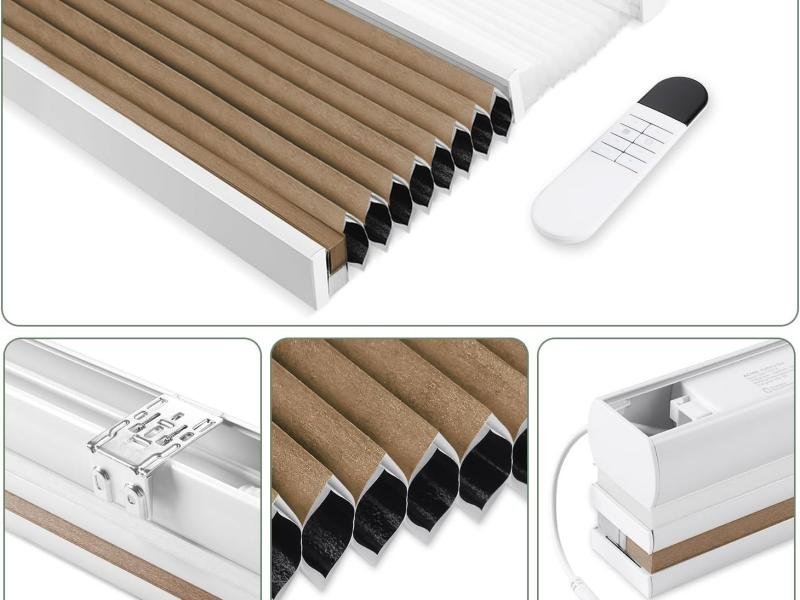
Our cellular shade lineup covers both manual and motorized options, so climate-driven cell depth decisions don't have to be made separately from decisions about manual versus motorized operation — both can be part of the same sourcing conversation.
Shadesmart is the window covering brand of Xiamen Goodwood Industry Co., Ltd., a vertically integrated manufacturer based in Fujian, China, with close to two decades of experience producing cellular, roller, and zebra shades for wholesale, OEM/ODM, and project buyers worldwide.
FAQ
Does a higher R-value always mean better insulation? Higher R-value does mean more thermal resistance from the shade fabric itself, yes. But the real-world improvement to your window's insulation depends on your existing glazing — a high R-value shade adds much more value over single-pane glass than over windows that already have Low-E double glazing.
Are cellular shades better than upgrading to double-pane windows? It depends on your starting point. Over a single-pane window, a double-cell cellular shade can meaningfully cut heat loss. Over a window that's already double-pane or Low-E glazed, the marginal benefit is smaller, and the money may be better spent elsewhere depending on your goals.
What's the difference between single, double, and triple cell shades? More cell layers generally means higher R-value and better insulation, but also more stack height (the depth the shade takes up when fully raised) and higher cost. Single cell is largely a light-control product; double cell is where meaningful insulation performance begins; triple cell is a specialist option for extreme climates or passive house projects.
Is "honeycomb shade" the same product as "cellular shade"? Yes — the terms are used interchangeably in the industry. Both refer to the same honeycomb-structured, folding fabric design.
Ready to compare cell structures for your climate or project? Request a comparison sample to see the fabric weight and cell depth differences firsthand, or schedule a factory capability walkthrough to discuss OEM development for your own cellular shade line.