
Full article
To source wholesale window shades for Canada from a Chinese factory, you need to pin down three things before you place an order: the real minimum order quantity, every cost layer between the factory price and your warehouse door, and which segments of the lead time are known versus quoted. Many disappointments I see come from treating any of the three as a single number.
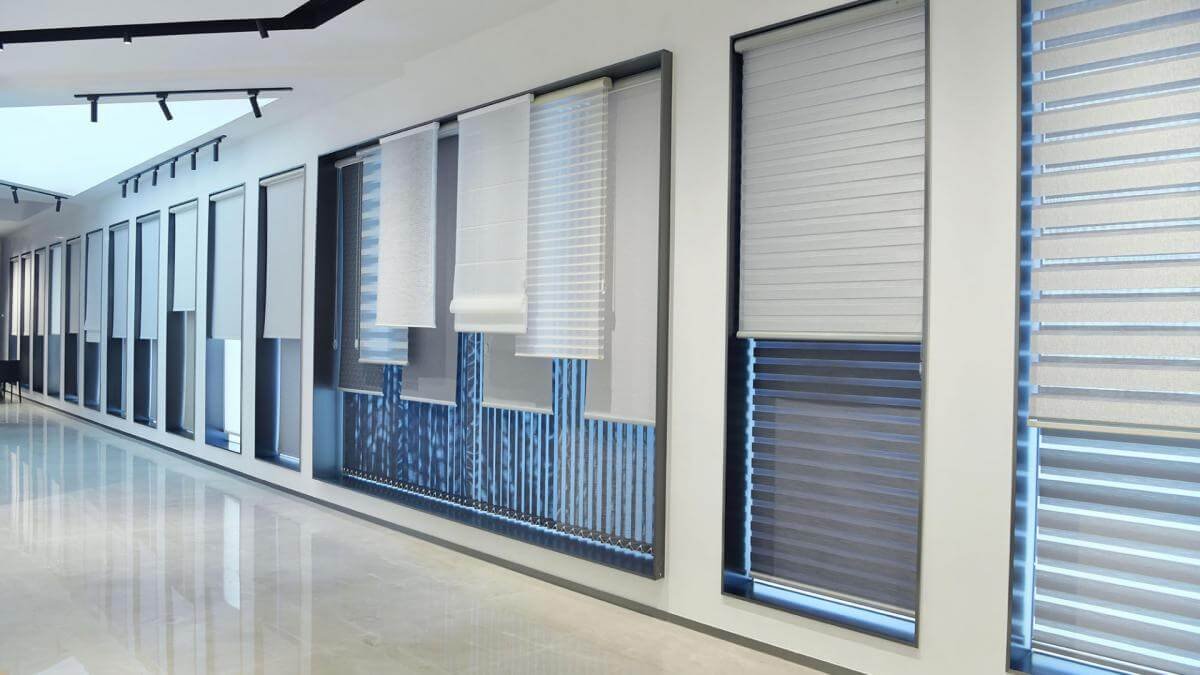
I'm the production director at Shadesmart, a brand of Xiamen Goodwood Industry Co., Ltd. We've made window coverings for export since 2008, and we take standard products from 1 piece and OEM custom orders from 10 pieces. I started on the shop floor in 2006 cutting fabric, so this guide is written from the factory side of the table. It also tells you where factory-direct sourcing stops making sense. If you're comparing suppliers more broadly, our wholesale window shades page sets out how we work with trade buyers.
What is the real minimum order when buying wholesale window shades for Canada?
For standard products the minimum is 1 piece; for OEM custom work it is 10 pieces; for new product development and project orders the quantity is negotiated. That is our actual policy, and it exists so a Canadian buyer can test before committing.
| Order type | Minimum | Typical Canadian buyer use |
|---|---|---|
| Standard products | 1 piece | Sample checks, market testing, small first orders |
| OEM custom | 10 pieces | Private label, branded packaging, a first custom run |
| New product development / project orders | Negotiated | Structural or material development, multi-unit property projects |
We also work in three customization tiers. Light customization covers standard adjustments like size and color. Sample development covers prototyping, functional validation, and proposals for new products. Deep customization covers structural development, material optimization, and exclusive designs for brand programs and large projects. Most Canadian wholesalers begin at the first tier, order a few units, and move up only if the product sells. You can open a trade account to start.
Here is the part most factories skip. A 1-piece minimum means you can test. It does not mean any quantity ships on any schedule. Orders above 500 pieces are produced according to our production plan, and I can't promise next-day shipment on them. Inserting a rush order into a running schedule disrupts every other order on the line, so I'd rather tell you that now than after you've promised stock to your customers.
If you're planning a larger fit-out, fabric matters as much as quantity. For any project over 30 panels, we ask you to flag it in advance so all fabric comes from one dye lot, and we order 15% extra for replacements. A hotel once needed one replacement panel after the original lot had sold out. The new lot measured ΔE 2.8 against the old, and the dispute took eight months to settle. Same-lot planning and the 15% overage are now our standard requirement for projects of this size. For the full MOQ picture, see our deeper guide on what a 1-piece MOQ really means.
What duties and taxes should a Canadian importer budget for on factory-direct shades?
Plan on the factory price being only one layer of your landed cost. I'm a factory person, not a customs broker, so I won't quote rates here. What I can do is show you the layers I see Canadian buyers forget to budget for. Rates and trade measures change, so confirm everything against current Canada Border Services Agency (CBSA) import guidance1 before you commit to a margin. In broad terms, a business importing commercial goods needs a CRA business number and an import-export program account. It can either clear the goods itself or use a customs broker.
| Cost layer | What to confirm | Who usually handles it |
|---|---|---|
| Customs duty | Tariff classification of your product and the rate that applies to its country of origin | Customs broker or importer of record |
| Surtaxes and special measures | Whether any surtax on China-origin goods applies to your product's tariff classification, including orders covering certain steel and aluminum products2 | Customs broker, confirmed before you order |
| Sales taxes (GST/HST) | How they apply to your import and whether you can recover them | Importer of record, with your accountant |
| Customs brokerage and clearance fees | Broker's per-shipment charges, plus any filing fees | Customs broker |
| International freight and insurance | Ocean vs. air, container vs. partial load, and who pays | Agreed with the factory (trade terms) |
| Inland delivery to your warehouse | Final-leg trucking, port or terminal fees | Freight forwarder or carrier |
Two habits protect your margin. First, ask any supplier to put the trade terms in writing, meaning exactly where their responsibility ends and yours begins. Second, compare suppliers on estimated landed cost, not ex-factory price. A lower unit price with weak packaging that leads to damage in transit can cost you more than a slightly higher price on a well-packed carton. Every shipment goes through an outgoing inspection that checks quantity, label accuracy, and packaging protection. Bottom rails that aren't braced inside the carton are a known cause of bent rails on long panels.
How long does it take from fabric order to your Canadian warehouse?
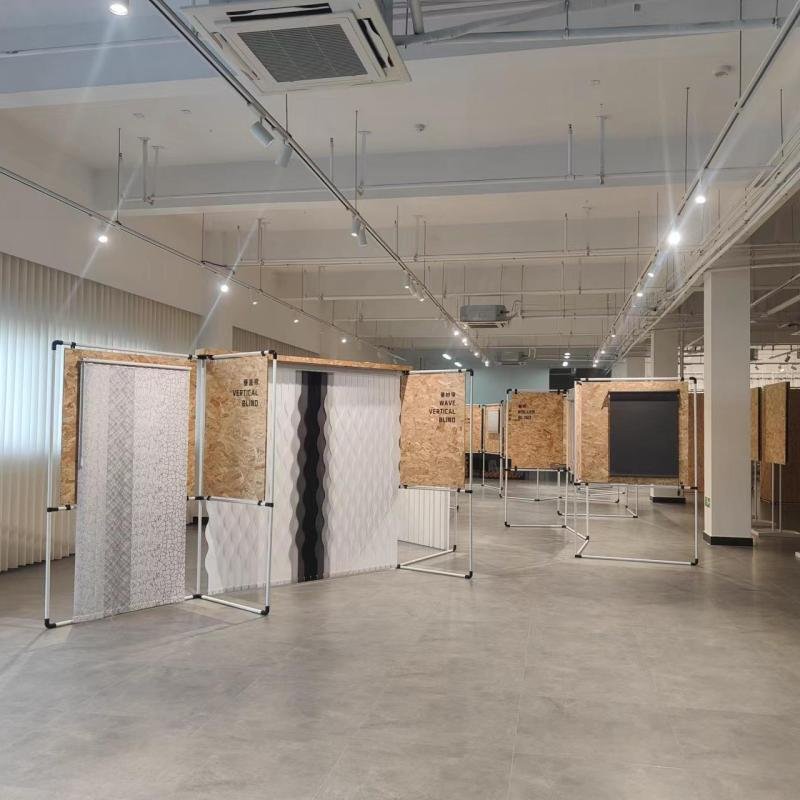
Lead time is a chain, and I can only give you hard numbers for the first link: fabric. Fabric arrival is one segment. Finished-goods production time, then ocean transit and clearance, are separate segments. I don't want to blur them, because blurred lead times are how buyers miss a selling season.
These are the fabric supply times we plan around, based on our main sourcing regions in Fujian and Zhejiang:
| Fabric type | In stock | Reorder | Custom color / spec |
|---|---|---|---|
| Standard roller fabric (100–250 g/m²) | 3–5 days | 10–15 days | 20–30 days |
| Blackout-coated fabric | 5–7 days | 15–20 days | 25–35 days |
| Zebra fabric (standard stripes) | 5–10 days | 20–30 days | 35–45 days |
| Cellular fabric | 7–14 days | 25–35 days | 40–50 days |
| Project-specific colors or patterns | n/a | n/a | 45–60 days |
These are fabric arrival times, not delivery times for finished shades. Production, packing, and shipping come on top, and I will give you a confirmed schedule with your quotation rather than a generic number in a blog post. Treat any supplier who gives you one flat "lead time" without breaking it down with some suspicion.
Timing also affects cost. In our experience, Q3 (July–September) is when fabric prices swing the most, because Western holiday stocking pushes up yarn demand while polyester feedstock prices follow oil. If you buy seasonally, finishing your annual purchasing plan in Q1–Q2 avoids paying peak-quarter prices. This comes from our own sourcing history, not from a market study, so use it as a planning habit rather than a forecast.
If a custom color is in your plan, order the swatch or sample first. A custom-spec fabric can take 20–60 days to arrive before cutting starts, and that is a common reason a first order runs later than the buyer expected. We cover this in more detail in our realistic lead time breakdown.
What Canada-specific compliance questions should you ask any supplier before ordering?
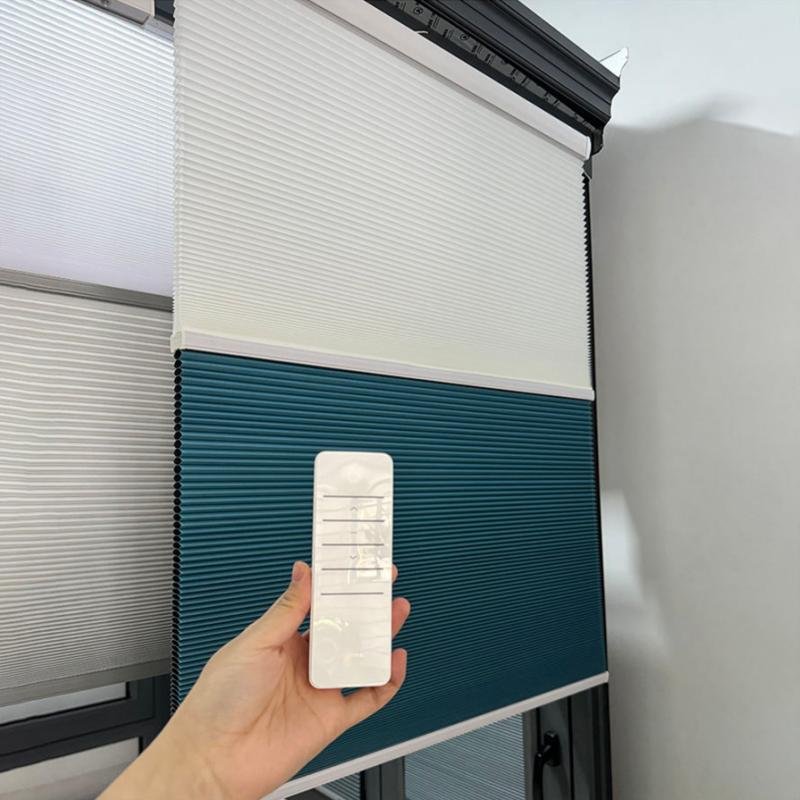
Ask every supplier, including us, about cord safety and about electrical and wireless compliance for the Canadian market, and ask for documents rather than assurances. Canada's Corded Window Coverings Regulations3 took effect on May 1, 2021. They restrict the length of reachable cords and the size of loops, and they apply to products imported and sold in Canada. Wireless equipment is a separate question: Innovation, Science and Economic Development Canada (ISED) requires certification and listing before it can be imported or sold4. Whether either applies to a specific product is something to verify against the official texts, not a supplier's summary.
Here is what I can tell you about our side. We keep full raw-material traceability, we have a dedicated 16-person QC team, and every finished product is inspected before it ships. Our products continue to go through certification and compliance review for international markets. That is a statement about our process, not a certificate number, and for a specific product and market I'd rather confirm the documentation with you at quotation than make a blanket claim in an article. If you need a particular compliance document for your Canadian customers, say so when you request the quote and we'll tell you honestly what's available for that product line.
A short question list you can use with any supplier:
- Which operating mechanism does this specific product use, and how does it relate to Canadian cord requirements?
- For motorized items, which electrical and radio-equipment documents exist for this exact model?
- Can I see the QC records and inspection steps for a recent batch?
- What changes if I request custom sizes or colors?
Our compliance standards page and quality control page explain how we handle documentation.
Is factory-direct sourcing the right fit for your Canadian business?
Factory-direct sourcing suits buyers who can plan ahead and manage an import; it is a poor fit if you depend on very short restocking cycles or can't take on customs and freight coordination. Here is when I'd tell you to think twice:
- You need stock replenished in days rather than weeks. Overseas production plus ocean freight can't match a local warehouse.
- You don't have a customs broker or an importer of record, and you don't want to set one up.
- You're likely to need frequent, unpredictable small top-ups on custom colors. Custom fabric can take 20–60 days to arrive.
For those buyers, a local distributor may serve you better, and it costs us nothing to say so.
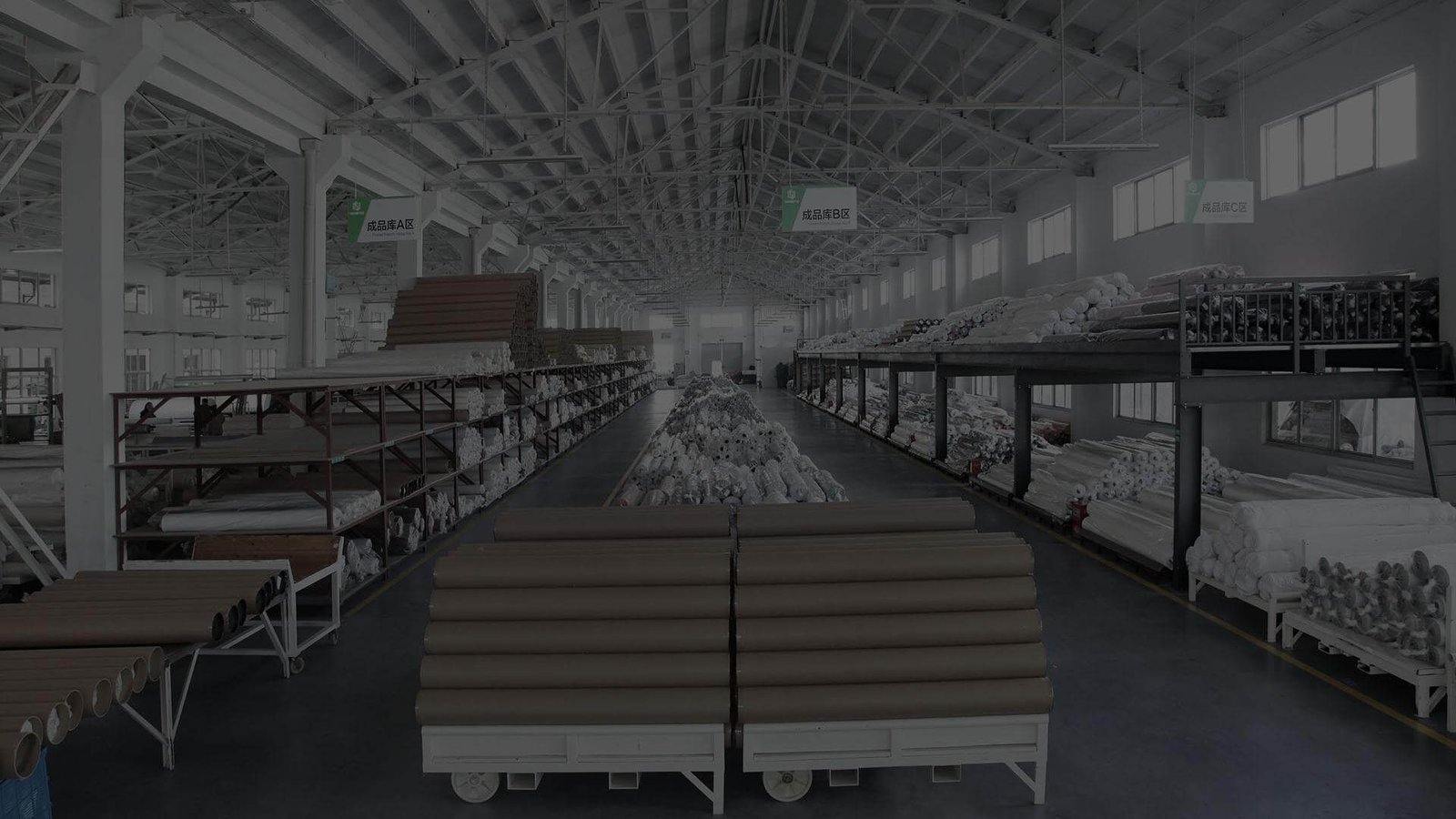
For buyers who do fit, scale and process matter. Our production base covers 58,883 m² (about 633,800 sq ft) with 12 production lines, 93 specialized machines, and annual output of more than 11 million units. That is what supports steady supply once you grow past the sample stage. Our checkpoints at incoming, in-process, finished-product, and outgoing inspection are designed to catch problems before they reach your dock.
One practical Canadian detail: your windows are measured in inches and we cut in millimeters. A 36in window is 914.4mm. Our cutting tolerance is ±1mm, and any panel more than ±2mm off is sent back to the workshop, so a conversion mistake on your side is the main risk. Give us measurements in a single unit, state clearly whether each order is for inside or outside mount, and confirm the converted figures with us before cutting.
Cutting-size errors are the biggest cause of returns in our own five-year complaint data (about 34% of cases). Moving from weekly to per-shift calibration of our automatic cutting machines cut those cases by 62%, and it is now our standard procedure.
Next step for Canadian wholesalers
If you buy for a Canadian wholesale or distribution business, the most useful thing to do first is to check current production capacity for your product mix. Send us your target products, sizes, and first-order quantity, and we'll tell you honestly whether factory-direct fits. Our Canada market page collects the details for Canadian buyers.
Frequently asked questions
Can I order a single sample before committing to a wholesale order? Yes. Standard products start at 1 piece, and our sample development tier covers prototyping and functional validation for new products. A 1-piece order is meant for testing, not for large quantities on a rush schedule.
Does the 1-piece minimum apply to custom sizes and colors? The 1-piece minimum applies to standard products, and OEM custom orders start at 10 pieces. Size and color adjustments fall under our light customization tier, and we confirm the exact minimum for your specification when we quote.
Who handles customs clearance when I import from a Chinese factory? The Canadian importer of record is responsible for clearance. According to CBSA, businesses can clear goods themselves or use a customs broker. Where our responsibility ends depends on the trade terms in your quotation, so get them in writing.
How early should I plan for peak season? Start from the longest segment. Custom-spec fabric alone can take 20–60 days to arrive before cutting begins, and fabric prices swing most in Q3. Finishing your annual purchasing plan in Q1–Q2 gives you more room.
What should I ask a supplier for before placing a Canadian order? Ask for written trade terms, documentation for the specific model you're buying, recent QC records, and packing details. For corded or motorized products, ask which Canadian requirements apply and what documents exist for that exact model.
A government overview of the steps and requirements for importing commercial goods into Canada. ↩
The legal text of Canada's surtax order on certain China-origin goods, useful for checking whether a tariff item applies. ↩
The official regulation text on cord length, loop size, and labelling for window coverings sold in Canada. ↩
ISED's explanation of why wireless equipment must be certified before import or sale in Canada. ↩
Ready to Source Direct?
Ready to Talk About Your Project?
Send us your product specifications, target market, and estimated volume. Our export team responds within 1 business day.