If you've been comparing wholesale blinds suppliers, you've probably seen "1-piece MOQ" advertised more than once — and you've probably wondered whether it's a real policy or a hook to get you to fill out a contact form. At Shadesmart, 1-piece MOQ on standard products is a real, standing policy, backed by a 12-line manufacturing setup that doesn't need a minimum batch to justify running a job. But "1 piece" and "no limits on how fast you can scale" are two different promises, and conflating them is where a lot of buyer disappointment starts. This article walks through what our MOQ structure actually covers, where OEM customization changes the math, and — just as importantly — what happens once your order outgrows small-batch testing.
What does "1-piece MOQ" actually mean when you're sourcing wholesale blinds?
1-piece MOQ means you can order a single standard-catalog roller shade, cellular shade, or zebra shade without hitting a minimum batch requirement — it does not mean every configuration or customization level carries the same threshold. For us, this applies specifically to standard products: items already in our production specification with no structural or material changes requested.
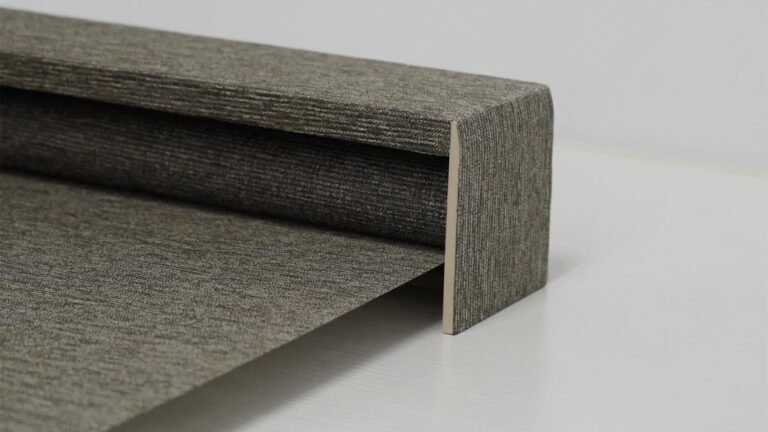
The practical use case is exactly what you'd expect: market testing and small-batch trial orders. If you're an Amazon or Shopify seller deciding whether a particular fabric or mechanism will sell in your market, or a regional distributor evaluating a new SKU before committing shelf space to it, 1-piece MOQ lets you get a physical unit in hand — check the fabric hand-feel, the mechanism action, the finish quality — before you put real capital behind a purchase order. It's a testing tool, not a supply chain strategy. That distinction matters for the rest of this article.
How is OEM customization MOQ different from standard product MOQ?
Once you move from a standard catalog item to OEM customization — your branding, your packaging, your logo, or a private-mold product — the minimum order quantity moves to 10 pieces. This isn't an arbitrary step-up; it reflects the actual production reality of switching a line over for a branded run versus pulling from standard stock.
Ten pieces is still a low bar by wholesale manufacturing standards, and it's a deliberate one. It's calibrated for the buyers who represent our fastest-growing customer segments: independent e-commerce brands testing a private-label line, and early-stage OEM/ODM customers who need to validate packaging and branding before scaling to a full production run. If your first OEM order is 10 units of a branded roller shade to photograph for your storefront and confirm your logo placement looks right, that's precisely what this tier is built for.
Beyond the 10-piece OEM threshold, new product development and full project orders move into negotiated territory — structural changes, material substitutions, or fully custom designs don't fit a fixed MOQ table because the scope of work varies too much order to order.
| Order Type | Minimum Order Quantity | Typical Use Case |
|---|---|---|
| Standard products | 1 piece | Market testing, small-batch trial orders |
| OEM customization | 10 pieces | Branded/private-label runs, packaging & logo customization |
| New product development / project orders | Negotiated | Structural development, material customization, bespoke design |
Does 1-piece MOQ mean there's no limit on how fast you can scale up?
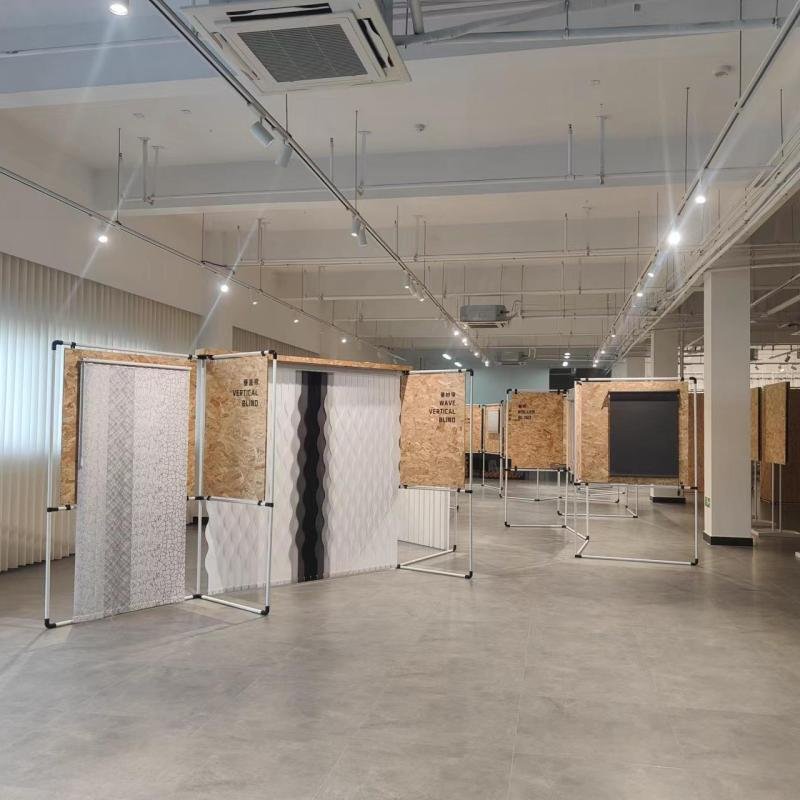
No — and this is the part suppliers rarely say out loud. 1-piece MOQ is a policy for testing small quantities; it is not a commitment to produce unlimited volume on short notice. Once an order moves past a few hundred units, it has to enter our normal production schedule like any other job on the line.
We've seen this misunderstanding often enough that we'd rather state it plainly than let a buyer find out the hard way: orders over 500 pieces are produced according to our standing schedule, not shipped the next day. A supplier who tells you otherwise is either overstating their flexibility or underestimating what a genuine production run requires — cutting, assembly, QC inspection, and packaging all take real line time, and jumping a large order to the front of the queue on short notice means bumping someone else's already-confirmed order. That's not a promise we're willing to make, because it's not one we could reliably keep.
This is also, honestly, the healthier version of "flexible." A supplier who can produce 1 piece today and 5,000 pieces on the same turnaround timeline either has idle capacity sitting around waiting for your order — which should make you ask what else is idle — or they're not being straight with you about their queue. Real flexibility means the MOQ floor is genuinely low; it doesn't mean the ceiling above it is instant.
What happens once your order grows past small-batch testing?
Growth from a 1-piece test order to a full production partnership typically moves through three service tiers: light customization, sample development, and deep customization — each matching a different stage of your business. This structure exists precisely so that buyers aren't forced to choose between "tiny test order" and "full bespoke project" with nothing in between.
Light customization covers standardized adjustments — sizing and color changes within existing specifications. This is where most repeat wholesale orders live once you've settled on a product line. Sample development is the next tier up: prototype production and functional validation, typically used when you're evaluating a new product or preparing a formal proposal to a client of your own. Deep customization is reserved for structural development, material optimization, and fully bespoke design — the tier that matches branded partnerships and larger project-scale orders.
Mapped against buyer type, the pattern is fairly intuitive: light customization tends to serve wholesalers doing standardized restocking, sample development matches e-commerce sellers validating a new SKU before committing inventory, and deep customization matches OEM/ODM brand partners and project buyers building something proprietary. You don't need to jump straight from a 1-piece test to a deep-custom project — the tiers are built to be moved through sequentially as your order size and requirements grow.
How should you evaluate a wholesale supplier's MOQ policy before committing?
A trustworthy MOQ policy should tell you three things clearly: the testing floor, the customization threshold, and the point at which volume orders require lead time — not just the lowest number they can advertise. If a supplier's MOQ page only markets the floor and stays vague about what happens once you scale, that's worth asking about directly before you commit.
For e-commerce sellers in particular, low MOQ exists to solve a specific problem: the fear of committing to inventory you can't move. A 1-piece or low-unit test order lets you validate demand without tying up capital in a warehouse full of stock that might not sell. But the same sellers who benefit most from low MOQ are often the ones scaling fastest once a product proves out — which is exactly when the "what happens after 500 pieces" question stops being theoretical.
Before you commit to a supplier based on an advertised MOQ number, it's worth getting straight answers to a few questions that separate a genuinely flexible policy from a marketing headline:
- Ask what the standard lead time looks like once an order crosses into volume territory (e.g., 500+ pieces) — not the lead time for the 1-piece sample.
- Ask whether there's a distinct step between sample approval and full production, or whether "approved sample" is assumed to mean "start mass production immediately." A supplier with a real sample-development tier will have a clear answer here.
- Ask how OEM packaging and logo customization timelines differ from standard-product timelines — branded runs typically require additional lead time for artwork approval and packaging production that a standard SKU doesn't.
- Ask what happens if your order size changes mid-negotiation — whether moving from a 50-piece to a 600-piece order shifts you into a different scheduling queue, and how far in advance that shift needs to be flagged.
A supplier who answers these clearly, with specific numbers rather than "it depends," is telling you their MOQ policy is a real operating structure — not just a number on a landing page.
The honest version of a wholesale MOQ policy has two halves: a genuinely low floor for testing, and a realistic, scheduled path for scaling. Suppliers who only tell you about the first half aren't lying — they're just leaving out the part of the conversation that actually matters once your order grows.
Frequently Asked Questions
What is the minimum order quantity for wholesale blinds from Shadesmart? Standard products carry a 1-piece MOQ for testing and small trial orders; OEM/private-label customization starts at 10 pieces.
Can I really order just one blind to test the quality before committing to a bulk order? Yes, 1-piece MOQ applies to standard catalog products specifically for this purpose — checking fabric, mechanism, and finish before a larger purchase order.
Does 1-piece MOQ mean large orders can also be produced and shipped quickly? No. Orders over 500 pieces are produced according to the standing production schedule, not shipped the next day. Low MOQ and fast turnaround at volume are two separate things.
What's the MOQ difference between a standard product and an OEM/private-label order? Standard products: 1 piece. OEM customization (branding, packaging, logo, private mold): 10 pieces. Structural or material customization beyond that moves into negotiated project terms.
How does a small trial order grow into a full wholesale partnership? Through three service tiers: light customization (sizing/color adjustments), sample development (prototyping and validation), and deep customization (structural and material development) — each matching a different stage of order volume and complexity.