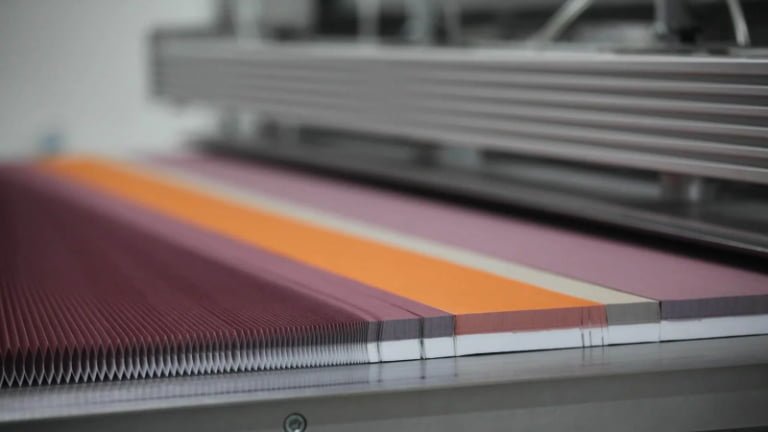
The most common sourcing error I see buyers make isn't choosing the wrong price point. It's choosing based on the wrong specification entirely — selecting a tube diameter by window width instead of fabric weight, specifying "blackout" without the cassette and side channel system that actually delivers it, or ordering a first batch without locking in a Delta E color tolerance that protects every reorder.
These aren't beginner mistakes. They're the mistakes buyers make when their supplier's documentation looks complete but misses the production details that only matter when something goes wrong. This guide exists to close that gap — to give B2B buyers sourcing from roller blinds manufacturers the specification and evaluation framework that separates a reliable long-term supply relationship from an expensive first lesson.
What Is a Roller Blinds Manufacturer?
A roller blinds manufacturer is a factory that produces roller blind and roller shade systems — fabric, aluminum tube, operating mechanism, and mounting hardware — within a single integrated production facility. B2B buyers sourcing directly from roller blinds manufacturers gain access to OEM customization, production scheduling control, and quality documentation that traces to the production source. The category covers manual (chain and spring) and motorized variants for residential, commercial, and large-scale project applications.
What Roller Blinds Manufacturers Actually Make
The term covers a wider product scope than the name suggests. A complete roller blind system consists of six separate component classes, each with quality variables that affect the installed performance of the product:
The aluminum tube (also called a roller tube or headrail) is the structural core. The tube diameter, wall thickness, and alloy grade determine whether a wide blind will hang straight after two years of use, or bow visibly in the middle.
The fabric is the functional component for light control, privacy, and — in the case of blackout fabrics — light elimination. Fabric weight, coating technology, and color fastness under ISO 105-B02 determine whether the product performs as specified across its service life.
The operating mechanism — chain, spring, or motor — governs ease of use, service life, and operating force. Mechanism grade is the single biggest quality differentiator between product tiers and is rarely specified explicitly in wholesale purchase orders.
Bottom rail and end caps provide weight at the bottom of the shade (essential for maintaining fabric tension, especially in wide formats) and finish at the ends of the tube.
Brackets and mounting hardware determine installation method (inside mount, outside mount, ceiling mount) and set the dimensional accuracy of the finished installation.
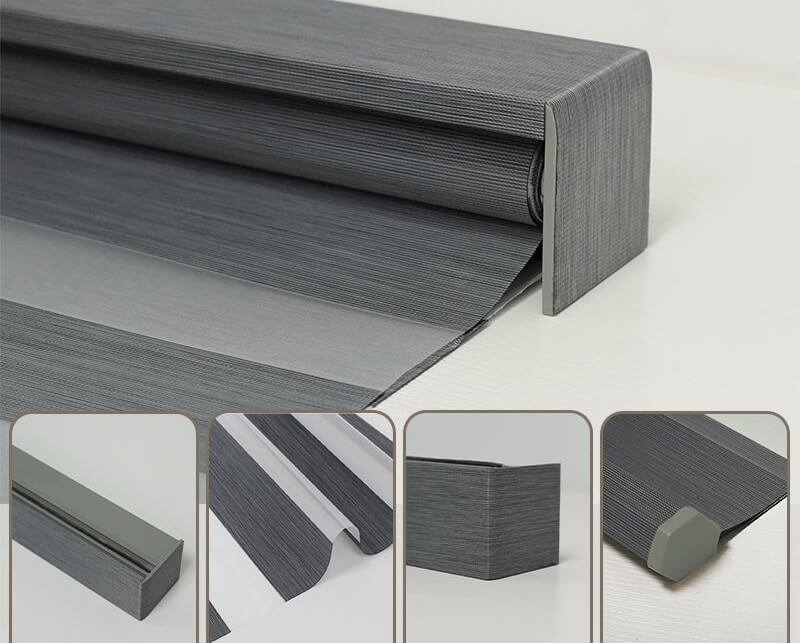
Control accessories — cassette housing, side channels, child safety devices — are optional for standard applications but required for true blackout performance and mandatory for child-safety compliance in U.S. residential products.
Buyers who treat "roller blinds" as a single commodity miss that the specification decisions across these six component classes are what determine whether a product performs reliably for 8 years or generates warranty claims in the first 18 months.

The Tube Specification Problem Most Buyers Miss
The most structurally consequential — and most commonly overlooked — specification decision in roller blinds sourcing is aluminum tube diameter. Most buyers specify tube diameter by window width. The correct variable is fabric weight.
Here is the engineering reality: a 38mm aluminum tube develops approximately 4.2mm of mid-span deflection at 1,800mm width when loaded with 250 g/m² blackout fabric. The 5mm deflection threshold is the point at which the bowing becomes visible to a normal observer when looking across the face of the shade. At 2,000mm width under the same fabric load, that threshold is crossed — the tube looks like a slightly bent banana from the side, and the fabric develops uneven rolling tension.
The problem gets worse over time. Aluminum under sustained load experiences creep — a gradual increase in deflection even with no change in the load. A tube that deflects 4mm at installation may deflect 6–7mm after twelve months. Buyer complaints about this failure mode typically arrive 6–12 months after installation, making root-cause diagnosis harder and warranty resolution more contentious.
The practical rules:
| Width Range | Fabric Weight | Correct Tube |
|---|---|---|
| Up to 1,800mm | Up to 200 g/m² | 38mm, 1.5mm wall |
| Up to 2,800mm | Up to 350 g/m² | 50mm, 1.8mm wall |
| Up to 4,200mm | Up to 550 g/m² | 63mm, 2.0mm wall |
| Above 3,000mm, any fabric | — | Split into two units |
A common error: specifying 50mm tube for a 2,400mm window with 450 g/m² heavy blackout fabric (common in Nordic markets). The 50mm tube's practical limit at that fabric weight is approximately 2,400mm — mid-span deflection at that combination approaches 8mm, which will generate visible bowing and fabric rolling inconsistency. The correct specification is 63mm tube, or a split two-unit installation.
One additional trap: some factories substitute aluminum alloy grade to reduce tube cost. The correct alloy for export roller blind tubes is 6063-T5, with wall thickness tolerances of ±0.1mm. Lower-grade alloys (recycled aluminum) have unstable chemical composition and inconsistent wall thickness — and carry compliance risk for REACH SVHC limits when sold into European markets, a point covered in the certification section below.
Mechanism Grades and Real Service Life
The operating mechanism determines the daily-use experience and the total service life of a roller blind. It's also the component that most wholesale purchase orders don't specify beyond "chain" or "spring."
Chain mechanisms are the most common for manual operation. The meaningful quality distinction is between all-plastic tooth engagement (rated 8,000–12,000 operating cycles, equivalent to approximately 5–8 residential years of daily use) and plastic-housing with metal-tooth engagement (rated 20,000–25,000 cycles, equivalent to 12–15 residential years). The difference is visible: plastic teeth show wear marks and play after 6,000–8,000 cycles; metal teeth maintain precise engagement through their full rated life. For commercial applications — offices, hospitality, multi-family housing — all-metal mechanisms rated 50,000+ cycles are the appropriate specification.
Spring mechanisms are the primary control system for spring-roller blinds. The critical variable is spring material. Carbon steel springs in high-temperature environments (south-facing windows in summer can reach 60°C+) experience metal fatigue that reduces spring tension by 15–25% over 2–3 years. The practical failure mode: the blind progressively loses the ability to roll back to the top position. Stainless steel springs are rated for high-temperature performance with 40–60% longer service life than carbon steel. Specifying stainless steel springs for export products serving warmer climates is not cosmetic — it directly determines whether the product generates returns in year two or year five.
Spring tension calibration is where genuine factory expertise shows. Pre-tension must fall within a window where the spring can retract the blind from any position (lower bound) without producing audible snap-back noise when released from mid-position (upper bound). The calibration formula derived from production data: initial coil count = fabric total weight (g) × 0.0018 + 3.5. This formula holds within ±0.5 coils for fabric in the 100–280 g/m² range. Outside that range, recalibration of the base parameter is required. Factories that apply one standard spring setting to all products are producing a fraction of their units correctly.
Motorized mechanisms are addressed in the motor selection section. The key point: motor torque must be selected by calculated fabric + rail load, not by window width. Under-torqued motors overheat and fail; over-torqued motors work but carry unnecessary cost.
The Blackout Myth: What "Blackout Roller Blind" Really Means
This is the specification gap that generates more post-installation disputes than any other single issue in roller blinds sourcing. Most products marketed as "blackout roller blinds" will not deliver blackout performance as installed.
Here is the physics: a roller blind fabric can achieve 99.9%+ light blockage through the fabric itself. But installing that fabric on a standard bracket, in a standard inside-mount configuration, without additional accessories, leaves 3–8mm light gaps along each side of the blind (the space between the fabric edge and the window frame). On a 2,400mm × 2,400mm window, two gaps of 5mm each, running the full 2,400mm height, represent approximately 38cm² of open light area. In a darkened room, 38cm² of direct daylight is clearly visible — it reads as two bright vertical columns of light on the wall.
The three-component blackout system:
- Blackout fabric — necessary but not sufficient. Opacity through the fabric is Table stakes.
- Cassette housing — a channel that encloses the rolled fabric and tube at the top, closing the gap between the top of the blind and the ceiling or soffit. Without it, light enters from above the roll at the top of travel.
- Side channel system — tracks on both sides of the blind that the fabric edge slides through, sealing the lateral gaps.
Without all three components, "blackout" is a marketing claim applied to the fabric specification only. True blackout — measurable as less than 0.1% light transmission through the complete installed system — requires the cassette and side channels.
The practical implication for B2B buyers: when selling into hotel renovations, residential master bedrooms, or media rooms where clients have actual blackout expectations, specify the complete three-component system in the purchase order. The component cost is modest relative to the installation cost and client relationship value. Specifying fabric only, then addressing the side-gap problem after complaints arrive, costs more in labor and relationship damage than the upfront specification would have.
One additional application note worth stating plainly: roller shades have an R-value below 0.5. They provide negligible thermal insulation. For projects where a client's primary brief is energy cost reduction or thermal comfort improvement, cellular/honeycomb shades — with R-values ranging from R-1.8 for single-cell 25mm construction to R-4.2 for double-cell 38mm construction — are the correct specification. Selling roller shades into an energy-efficiency application is a specification error that will damage the installer's reputation with their client.
Certifications That Matter for Roller Blinds
Certification claims on supplier documentation range from rigorously maintained to fabricated. Knowing which standards actually matter — and how to verify them — is part of the basic due diligence for any B2B sourcing decision.
ANSI/WCMA A100.1-2018
The American National Standard for window covering safety. For products marketed for residential use in households where children under eight may be present, this standard requires cordless operation or cord designs that are inaccessible to children. This is effectively mandatory for U.S. residential distribution — distributors carrying non-compliant products face product liability exposure regardless of where fault lies in the supply chain. Verify by requesting the current valid certificate; confirm the issuing lab's reference number through the WCMA member verification system.
NFPA 701 Method 1
National Fire Protection Association standard for flame resistance in window treatments. Method 1 applies to drapes, curtains, and vertically hung fabric — including roller blinds. Required for products sold into commercial, hospitality, and institutional applications in the United States. Any roller blind specified for a hotel, hospital, school, or office building without verified NFPA 701 compliance is a liability item in the project specification.
REACH (EC) No 1907/2006 — SVHC ≤0.1%
The European Union's chemical safety regulation for substances of very high concern. The most critical application in roller blinds is aluminum component compliance. Recycled aluminum sourced without rigorous chemical composition testing contains elevated levels of lead, cadmium, and other heavy metals. The REACH limit for lead in aluminum components is 0.1% by weight. Batches from suppliers using recycled aluminum without documented chemical testing routinely exceed this limit. Shipments detained at European customs for REACH violations result in destruction of goods, import duty loss, and customer claims — the total cost of a single compliance failure can exceed the margin on an entire quarterly volume.
OEKO-TEX Standard 100
Fabric certification for harmful substance limits. Class II covers adult residential applications; Class I is required for products marketed for infants and young children. OEKO-TEX certification should be verified through the OEKO-TEX label check system (label.oeko-tex.com) using the supplier's certificate number — do not accept a logo on a product page as verification.
How to Evaluate a Roller Blinds Manufacturer Before Ordering
The five steps below apply regardless of whether you are evaluating a manufacturer for the first time or reviewing an existing supplier relationship.
Step 1: Confirm production integration with a live factory walk-through
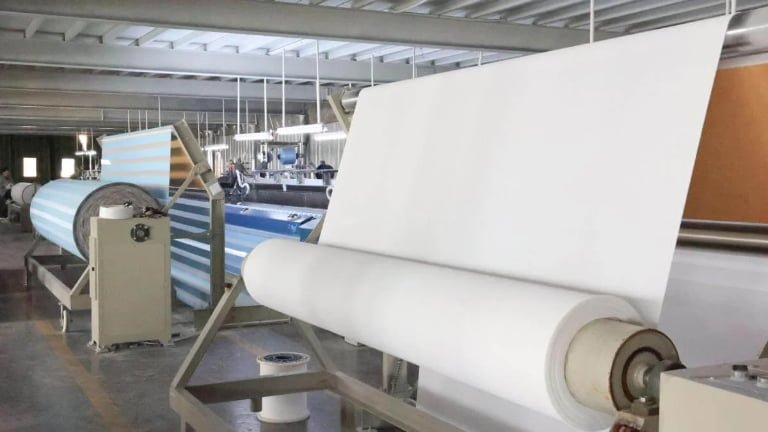
Request a video call with a live walk of the facility. A genuine manufacturer can show, without advance preparation: raw material storage (fabric rolls, aluminum stock), cutting and assembly lines, mechanism assembly stations, and QC inspection area. Ask to see the QC team's daily inspection sheets. A trading company needs time — days or weeks — to arrange access to a production facility, because it belongs to someone else.
Step 2: Request production-spec samples, not showroom samples
The request should be specific: "Send three units of [specification] produced from the same batch as a production run — not units assembled specifically for evaluation." Production samples reveal the normal variability of the line. Showroom samples can be hand-finished to a level that doesn't represent production norms.
Step 3: Ask the tube material and sourcing question directly
"What alloy grade is your aluminum tube? What is your tube wall thickness tolerance? Do you conduct quarterly chemical composition testing on your aluminum supplier?" A manufacturer who uses 6063-T5 primary aluminum with ±0.1mm wall tolerance and documented chemical testing will answer this question specifically and provide documentation. A factory using lower-grade or recycled material typically answers vaguely or pivots to a different topic.
Step 4: Verify certifications with traceable reference numbers
For each certification claimed — ANSI/WCMA, NFPA 701, OEKO-TEX, REACH — request the current valid certificate with the issuing organization's reference number. Verify at least the two most critical certifications for your target market directly through the issuing body's lookup tool before placing a production order. A certificate that cannot be verified is decorative, not functional.
Step 5: Run a trial order before committing to volume
The first paid order should be 30–50% of your planned ongoing volume. Evaluate: dimensional accuracy (±1mm width tolerance, ±2mm height is the quality threshold), mechanism operation across the full travel range with no audible friction, packaging integrity on arrival (bottom rails undamaged — they require rigid internal supports in packaging to prevent transit bowing), and documentation accuracy. The trial order tests every part of the process, not just the product.
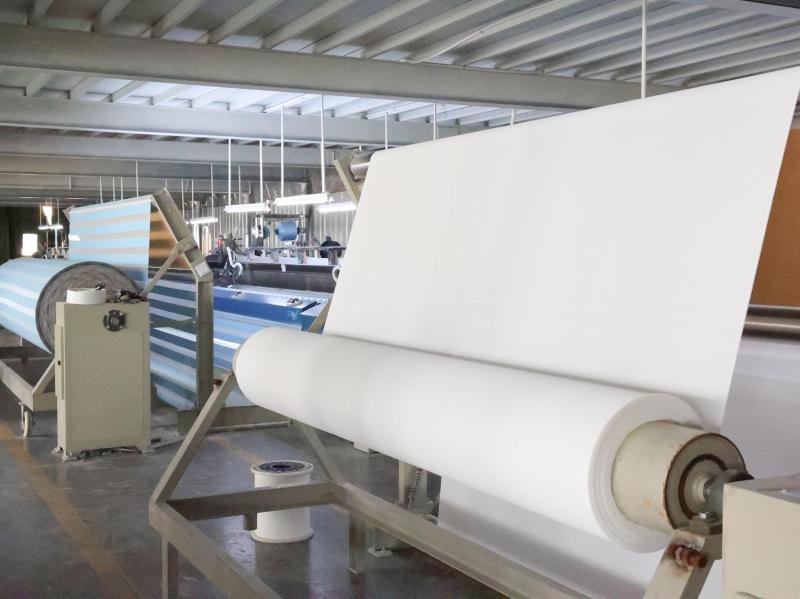
Shadesmart's production infrastructure includes 12 dedicated production lines across a 58,883m² facility, with annual output exceeding 11 million units. Our 16-person QC team runs 100% finished product inspection at four checkpoints — incoming materials, in-process (every two production hours), finished goods, and outgoing shipment — compared to the 10% sampling rate that is the industry norm. For buyers who need to commit to volume, this inspection coverage means that the defect categories that statistical sampling misses — the individual unit with a mechanism pre-set incorrectly, the batch where one color is slightly off — are caught before shipping.
Roller Blinds Supplier vs. Manufacturer: The Structural Difference
The distinction matters because it determines what you can actually control in the supply relationship.
A manufacturer produces the goods. They control raw material selection, production scheduling, quality checkpoints, and the specification parameters of the finished product. When something goes wrong, they can diagnose the root cause, make a process adjustment, and prevent recurrence. When you need OEM customization, they can execute it because they own the production variables.
A supplier or trading company buys from manufacturers and sells to you. They may offer competitive pricing and convenient communication, but they don't control what happens on the production floor. When quality issues arise, they are as dependent on their factory's cooperation as you are. OEM customization requests go through an additional party, adding time, communication loss, and markup.
The signals that identify a trading company operating as a "manufacturer":
- Can't show a live production floor without scheduling delays
- "Factory location" and registered business address differ by city
- MOQ for custom specifications is 1 unit (genuine OEM requires setup cost recovery)
- Delivery time quotes are consistently vague ("3–4 weeks, depends on our factory")
- Can supply any product type instantly, regardless of specialization (a manufacturer has constraints; a trader has none)
- Certificate documentation has visible inconsistencies in issuing entity
Shadesmart (Xiamen Goodwood Industry Co., Ltd.) has operated as an integrated manufacturer since 2008. Our OEM minimum starts at 10 units per SKU for customized specifications — a figure that reflects actual production setup economics, not a barrier constructed to filter buyers. Our R&D team of 17 engineers develops 20+ new product specifications annually, which is only possible when you own the production variables.
Looking to source roller blinds directly from a verified manufacturer? Shadesmart provides full-specification samples within 5–10 business days. Request Samples → | Get B2B Pricing →
Frequently Asked Questions About Roller Blinds Manufacturers
Q: What is the minimum order quantity when buying directly from roller blinds manufacturers? A: Standard catalog roller blinds: as low as 1 unit for testing from manufacturers with flexible production. Wholesale pricing activates from 50–200 units per SKU. OEM customization starts at 10–50 units from genuine manufacturers. Single-unit MOQ for full OEM production is a trading company signal — real manufacturing setup costs require minimum volume to recover.
Q: How do I verify that a roller blinds supplier is a manufacturer and not a trading company? A: Request a live video walk of the production facility — a manufacturer can do this without advance notice. Ask for the factory's business license and export license. Ask which components are self-produced versus externally sourced. Ask the alloy grade of their aluminum tubes. A genuine manufacturer answers each of these questions specifically and immediately.
Q: What aluminum tube diameter should I specify for wide roller blinds? A: Base tube selection on fabric weight, not width alone. 38mm tube is reliable to 1,800mm with fabric up to 200 g/m². For widths above 1,800mm or fabric above 250 g/m², specify 50mm. For commercial widths above 2,800mm or very heavy fabric, specify 63mm tube. Undersized tubes develop mid-span deflection that increases over time due to aluminum creep under sustained load.
Q: Which certifications should roller blinds have for the U.S. residential market? A: ANSI/WCMA A100.1-2018 (cordless/child-safe operation — effectively mandatory for residential distribution), OEKO-TEX Standard 100 Class II for fabric chemical safety (Class I for children's rooms), and NFPA 701 Method 1 for commercial and hospitality applications. Request current certificates with traceable issuing body reference numbers.
Q: What is the realistic lead time from a roller blinds manufacturer in China? A: Standard catalog products: 15–25 days production. OEM customization, standard fabric: 20–35 days. Custom fabric specification: add 20–30 days. Add 20–35 days ocean freight to the U.S. or Europe. Total door-to-door: plan 45–70 days. For urgent orders, air freight reduces transit to 3–5 days at a per-unit premium.
Sourcing Roller Blinds Manufacturers That Perform to Specification
The roller blinds manufacturers who create stable supply relationships with B2B buyers share a common characteristic: they communicate constraints honestly rather than overpromising on flexibility. They specify tube diameter by fabric weight, not window width. They distinguish between testing MOQ and volume production scheduling. They maintain certification documentation to a standard that can be verified, not just displayed.
Sourcing from a manufacturer with this level of operational honesty is worth paying a modest premium over the cheapest alternative — because the cost of a specification failure, a REACH violation at customs, or a post-installation blackout complaint is never modest.
Ready to evaluate Shadesmart as your roller blinds manufacturer?
Shadesmart (shadesmart.com) supplies roller blinds and roller shades to distributors, retailers, and commercial project buyers across North America, Europe, and Australia. Annual output: 11M+ units across 12 production lines. QC: 16-person team, 100% finished product inspection. OEM/ODM from 10 units. Established 2008.