We have seen the same sourcing mistake play out dozens of times. A new distributor finds a supplier with compelling sample quality and competitive pricing, places a 500-unit first order, and six months later places a reorder — same color code, same product. The new stock arrives 10% darker than what's already on clients' shelves.
Not a catastrophic difference. Just different enough that a hotel requesting replacement blinds for one wing gets blinds that visibly don't match the rest.
The root cause isn't fraud and it isn't bad luck. It's a failure to specify color tolerance in the purchase order, combined with a supplier who never mentioned they were drawing from a new dye lot.
We're Shadesmart, a window shade manufacturer based in Xiamen, China. We've supplied wholesale distributors, retailers, and commercial project buyers in North America, Europe, and Australia for over 15 years. This guide covers how wholesale window shade sourcing actually works — the product categories, supply chain structures, quality variables that specification sheets don't capture, and the certification requirements that protect both buyer and end market.
What are wholesale window shades?
Wholesale window shades are window covering products purchased in bulk quantities — typically for resale, project installation, or commercial deployment — directly from manufacturers or primary distributors. The category includes roller shades, zebra (dual-layer) blinds, cellular/honeycomb shades, and motorized systems. B2B buyers sourcing wholesale window shades are typically distributors, retailers building private-label lines, interior design firms with recurring volume, or commercial contractors supplying hospitality, residential, or office projects.
What Does "Wholesale Window Shades" Actually Mean?
The word "wholesale" means different things depending on who's using it. In window coverings, three distinct purchasing models exist:
Bulk resale purchasing: A distributor or retailer buying 200–5,000 units per SKU for inventory resale. The buyer needs stable pricing, consistent restocking capability, and fast lead times on reorders.
Project-based procurement: A commercial contractor or interior designer buying a defined quantity for a specific installation — a hotel renovation, an apartment complex, a corporate office fit-out. The buyer needs consistent color across a large batch, documented certification, and precise dimensions. Installation risk matters more than price alone.
Private-label development: A brand building its own window shade product line using a manufacturer's production capability under a custom label and specification. The buyer needs OEM flexibility, MOQ structures that support product testing, and a factory capable of maintaining a proprietary specification across multiple production runs.
Each model has different requirements from a supplier. The mistake most buyers make is sourcing for one model with the assumptions of another.
The Four Main Product Categories in Wholesale Window Shades
Understanding what you're selling or installing determines which factory relationships matter.
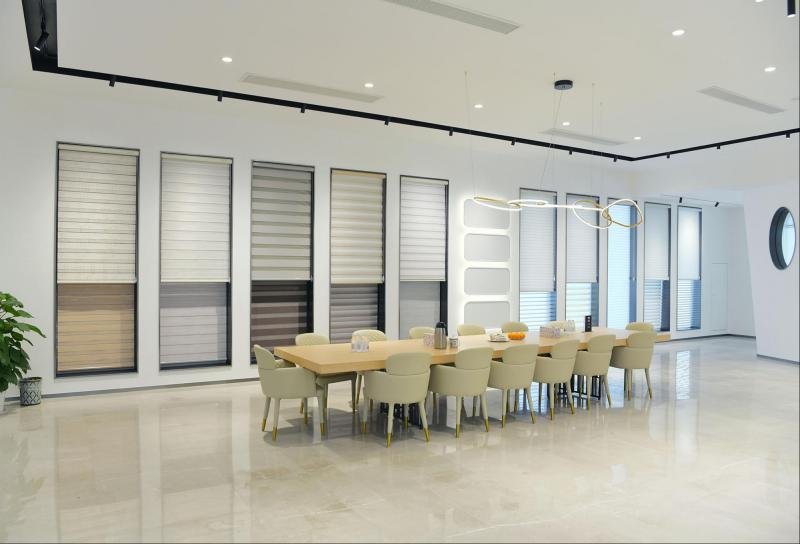
Roller Shades: The highest-volume B2B category globally. Standard catalog products have the lowest MOQs and fastest production lead times. Key wholesale quality variables: tube diameter (38mm tubes have a practical upper limit of 1,800mm before mid-span deflection becomes visible), bottom rail weight (windows wider than 1,500mm need at least 150 g/m bottom rails to prevent edge flutter), and mechanism type. Color fastness per ISO 105-B02 should be ≥ Grade 5 for interior applications.
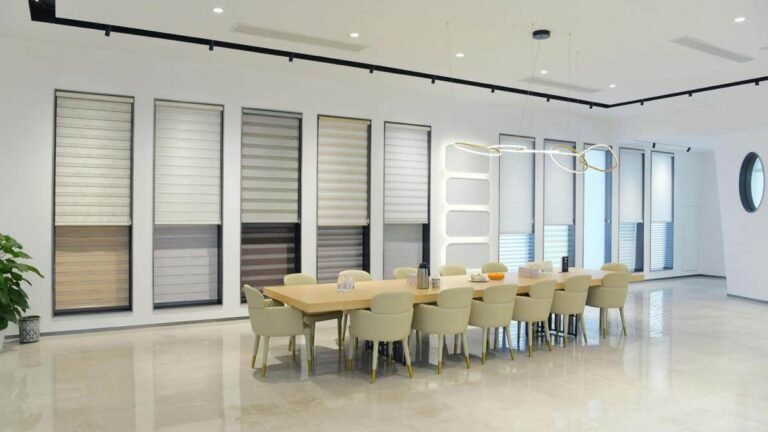
Zebra (Dual-Layer) Blinds: A growing category in European and North American residential markets. The critical quality differentiator is whether the alternating transparent/opaque stripes are woven into the fabric structure or printed onto a base fabric. Woven construction: the bands have different yarn densities visible under strong light, and edge definition stays sharp for the product lifetime. Printed construction: bands fade and bleed within 18–36 months. Wholesale buyers should specify "woven construction" explicitly — it is not the default at all price points.
Cellular/Honeycomb Shades: The correct category when a client's primary requirement is thermal insulation. Single-cell 25mm honeycomb provides approximately R-1.8 to R-2.4; double-cell 38mm reaches R-3.4 to R-4.2. Buyers should understand that "blackout honeycomb" is a qualified claim — even with opaque cell fabric, the sides of the shade allow 1–3% light penetration without side track systems. This is a structural characteristic of inside-mount installation, not a defect.
Motorized/Smart Shades: The highest average selling price per unit and growing fastest in the premium segment. Buyers entering this category need to specify motor torque matching for the fabric weight — not just the window width. The most common buyer complaint in motorized blinds is wrong motor selection: a 1.0Nm motor on a 250 g/m² blackout shade wider than 2,000mm will overheat and fail within 12–18 months.
Where to Source Wholesale Window Shades: Three Paths Compared
Buying Direct from Chinese Window Shade Manufacturers
Direct factory purchasing offers the lowest per-unit cost — typically 25–45% lower than domestic distributors for equivalent quality specifications. China's dominance in this category is structural: the domestic supply chain for polyester fabrics, aluminum extrusions, and operating mechanisms is deeply vertically integrated.
The variable that most buyers don't account for until they've made an expensive mistake is chemical compliance in aluminum components.
REACH Regulation (EC) No 1907/2006 restricts 197 Substances of Very High Concern (SVHC) to concentrations below 0.1% by weight. For aluminum window shade hardware, the relevant restriction is lead content. Primary aluminum (alloy 6063-T5 with traceable ingot sourcing) reliably meets this threshold. Recycled aluminum — common in lower-tier manufacturing — has inherently variable composition and regularly exceeds this threshold.
We have experienced this firsthand. In 2018, a shipment we sent to Germany was detained at customs because lead content in an aluminum component measured 0.5% — five times the REACH threshold. The factory we sourced that component from had self-certified compliance without independent testing. The direct financial cost was approximately ¥120,000. The client relationship damage took eight months to resolve. The fix was straightforward: independent third-party chemical testing of all aluminum component batches, quarterly. The mistake was relying on supplier declaration instead of verification.
When sourcing directly from China, always request a third-party test report for aluminum components against REACH SVHC requirements from an accredited laboratory (SGS, Intertek, Bureau Veritas, or equivalent).
Working with Domestic Distributors
Domestic wholesale distributors eliminate import complexity but price in their margin — typically 25–40% above direct factory pricing for mid-range products. The genuine advantage is speed and flexibility: a domestic distributor can supply 5–10 units from existing inventory, while a factory sourcing from China may require 50–200 units per SKU per run. For buyers managing a long tail of SKUs across many client specifications, this flexibility has real value.
Wholesale Platforms and What They Don't Tell You
Platforms like Alibaba and Global Sources reduce search cost for finding potential suppliers. But "factory direct" and "manufacturer" on these platforms is self-declared — the platform doesn't independently verify production capability. In practice, the majority of accounts presenting as manufacturers are trading companies sourcing from factories.
Use platforms for initial supplier discovery, then qualify factories directly: verify the business license confirms manufacturing as the primary registered business type, request a live video walkthrough of the production floor, and ask for production-specification samples produced to your exact specification.
The Fabric Batch Problem — Why Your Reorders May Not Match
This is the most common quality failure in wholesale window shade programs, and the least discussed.
Polyester fabric is batch-dyed. Even within a nominally identical color specification from the same mill, different dye lots produce measurably different color values. The measurement standard is Delta E (ΔE):
| ΔE Value | Visual Perception | Practical Implication |
|---|---|---|
| < 1.0 | Imperceptible | Acceptable in any installation scenario |
| 1.0–2.0 | Noticeable on close inspection | Adjacent windows in same room: confirm before specifying |
| 2.0–3.5 | Visible under normal conditions | Same room, different windows: not acceptable without sign-off |
| > 3.5 | Clearly different | Same project: do not mix under any circumstances |
A hospitality procurement firm we worked with learned this the hard way. They sourced window shades for a 200-room hotel through two separate orders placed four weeks apart, same product code, same supplier. The second batch had a ΔE of 2.8 against the first. By the time the hotel opened, roughly 40 rooms on the upper floors had shades visibly darker than the lower floors. The claim negotiation and partial replacement took eight months to resolve.

For projects of any scale: require written specification of dye lot number; verify ΔE against the approved sample before production; hold back 15% of the total batch as replacement inventory. We maintain batch documentation for 18 months post-delivery on all standard product lines, enabling accurate replacement sourcing within the original dye lot window.
What Certifications Matter for Wholesale Window Shades
OEKO-TEX Standard 100: Tests for over 100 harmful substances. For wholesale buyers, the certification class distinction is critical:
- Class I: For products intended for infants and babies (under 36 months). Required for nursery products and children's room window coverings.
- Class II: For products in direct skin contact for adults and children over 36 months. Appropriate for standard residential applications. Most wholesale window shade products should carry Class II at minimum for European and North American residential markets. Buyers supplying nursery or children's furnishing retailers must specify Class I explicitly.
REACH Regulation (EC) No 1907/2006: Restricts 197 SVHC to ≤ 0.1% by weight. For window shades, the highest-risk components are aluminum hardware (lead content) and PVC-coated fabrics (plasticizer content). Request a REACH compliance declaration with specific reference to aluminum components and any PVC-coated materials.
NFPA 701: For U.S. hospitality, healthcare, and education facilities, compliance is typically required by local fire codes. Method 1 applies to large-scale hanging fabric installations — the relevant standard for commercial window treatments. Always verify which method the certificate covers.
ANSI/WCMA A100.1-2018: For U.S. residential distribution, this standard requires cordless operation or inaccessible cord design for households with children under eight. Failure to meet it creates product liability exposure for distributors.
MOQ Reality: What "Wholesale" Actually Means in Practice
The term "wholesale" implies volume pricing, but MOQ structures in window shade manufacturing are more layered than a single number suggests.
Testing MOQ: 1–5 units per SKU for standard catalog products. This is genuine — it reflects flexible production infrastructure. Its purpose is to allow buyers to evaluate quality before committing to volume.
True wholesale pricing threshold: For standard roller shades, meaningful volume pricing begins at 50–200 units per SKU. Below this threshold, unit pricing may be 15–25% above the published wholesale rate. This is production economics, not negotiating strategy.
OEM customization MOQ: Custom colors, private-label packaging, and proprietary fabric specifications typically start at 10–50 units per SKU at manufacturers with flexible production infrastructure. Companies quoting 1-unit MOQ for full OEM production are almost always trading companies.
The honest limitation: Low MOQ applies to testing and small-scale orders. It does not mean urgent large-volume orders can be fulfilled with short lead times. Our production calendar is scheduled in advance — a 2,000-unit order placed on our facility without advance scheduling will wait for available production capacity. Any manufacturer who claims otherwise is overpromising.
Our actual structure: catalog products from 1 unit (genuine, for testing), OEM customization from 10 units per SKU, and large-volume orders (500+ units) scheduled with 20–35 day lead times depending on specification complexity.
Pricing Seasonality — When to Buy and When Not To
Wholesale window shade pricing is not stable across the calendar year. Understanding the upstream cost drivers helps buyers time purchasing commitments more effectively.
The polyester connection: Most roller shade, zebra, and honeycomb fabrics are made from polyester fiber — a petroleum derivative. The upstream raw materials (PTA and MEG) trade as commodity futures, and their correlation with crude oil price movements transmits to fabric pricing within 8–12 weeks.
The Q3 demand surge: Every Q3 (July–September), European and North American holiday-season demand accelerates. This creates competing pressure on polyester fiber capacity and aluminum extrusion availability. Fabric prices typically rise 8–18% between Q1 and peak Q3 demand.
The practical implication: Annual purchasing contracts locked in Q1 or Q2 consistently achieve better per-unit pricing than Q3 spot orders. For a buyer sourcing $400,000 of wholesale window shades annually, that pricing difference represents $32,000–$60,000 in procurement savings from timing alone.
Chinese factories shut down for approximately 10–15 days during Chinese New Year (late January to mid-February). Orders placed in January requiring production during this period get deferred to post-holiday queues. For buyers with Q1 project commitments, place production orders in November or December for February–March delivery.
How to Evaluate a Wholesale Window Shade Supplier in 5 Steps
Step 1: Verify production capability before everything else
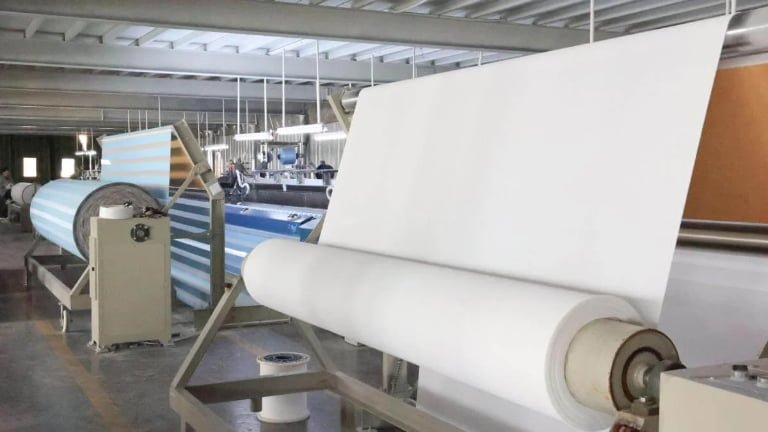
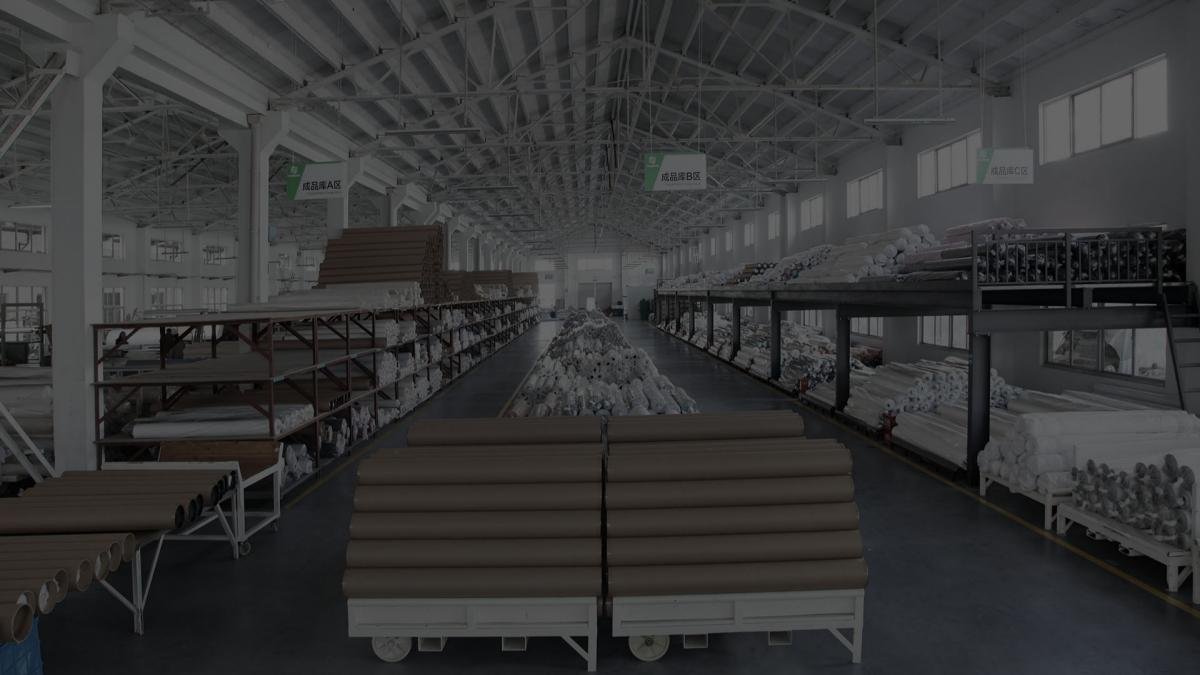
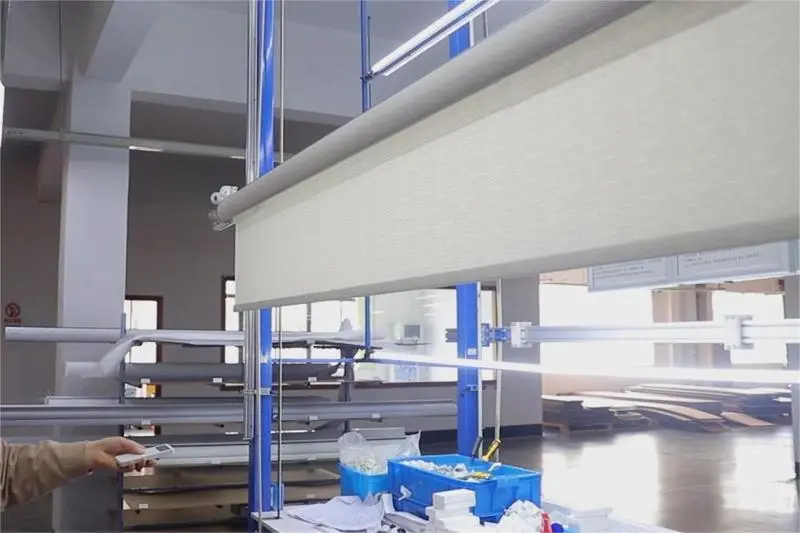
A live 15-minute video call walking through the production floor — raw material storage, cutting room, assembly stations, inspection area — eliminates approximately 60% of the manufacturer-vs-trader misidentification problem.
Step 2: Request production-specification samples, not showroom samples
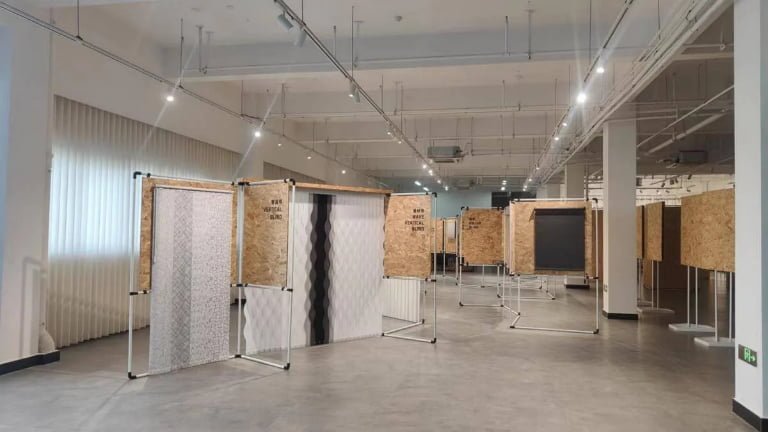
Specify exactly: fabric weight, tube diameter, bottom rail weight, mechanism type. Ask for three units from the same batch that would fulfill a production order. Production samples reflect real line variability; showroom samples are assembled with extra care.
Step 3: Specify and verify color tolerance
In the sample request, specify the ΔE tolerance you require. For most residential applications: ΔE < 2.0 against the approved sample. Ask the factory how they measure and document color consistency between batches.
Step 4: Request certification documentation with traceable reference numbers
For each claimed certification, request the current valid certificate with the issuing organization's reference number. Verify at least one certificate directly through the issuing body's online lookup tool before placing an order.
Our QC team of 16 conducts 100% finished product inspection at four checkpoints — incoming materials, in-process every two production hours, finished goods, and outgoing shipment. Every fabric batch carries a traceable dye lot reference that links to supplier documentation and QC records.
Step 5: Place a trial order before committing to volume
The first paid order should be 30–50% of planned ongoing volume — a stress test for the entire supply process, not just the product.
Sourcing Wholesale Window Shades That Perform
The sourcing decisions that determine whether a wholesale window shade program succeeds or fails aren't made at the point of order. They're made in the specification — color tolerance, certification class, construction type, component material compliance — and in the supplier evaluation process before the first purchase order is placed.
Ready to build a reliable wholesale window shade supply chain?
Shadesmart (shadesmart.com) supplies wholesale window shades — roller, zebra, honeycomb, and motorized — to distributors, retailers, and commercial project buyers in North America, Europe, and Australia. Annual production exceeds 11 million units. Batch documentation maintained for 18 months post-delivery.